

Somewhere around the seventy-minute mark of Vibe, a genuinely funny movie quietly excuses itself and a far more generic one sits down in its chair. The tragedy is that the first film, a loose, shaggy, unapologetically desi buddy comedy about two idiots sharing a flat and a salary, is the one worth your ticket money. The second is a terrorist plot you have seen before, staffed by the same two idiots, now asked to carry national security on their shoulders. Kunal Kemmu, writing and directing his sophomore feature, has built a movie around a tonal handbrake turn he never quite learns to steer through.
Hardik, Bugs, And The Art Of Doing Nothing Well
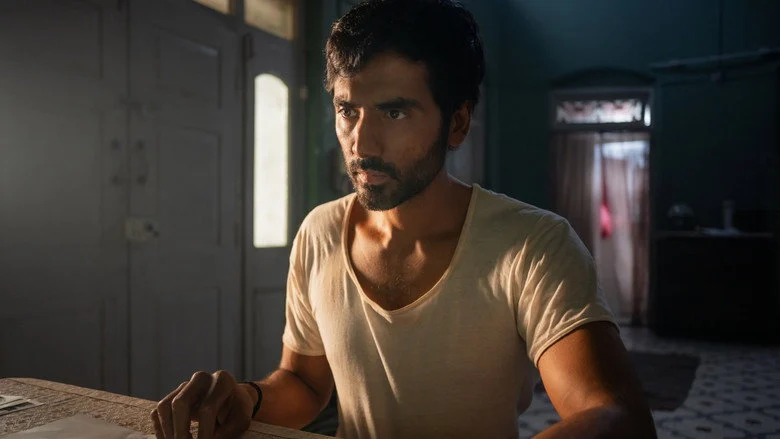
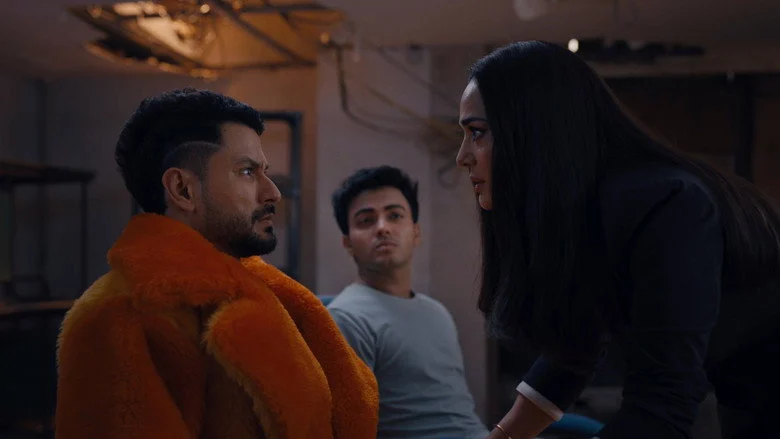
The first act is the film’s best argument for itself. Hardik (Kemmu) returns from rehab and moves in with his best friend Bugs (Sparsh Shrivastava), who works at a software company and lives his life by the rulebook Hardik has clearly never opened. Their contrast is the engine: Hardik is loony, lazy, allergic to consequence; Bugs is by-the-book to the point of self-parody. Kemmu stages their domestic chaos with real comic patience, the running gags land because the film lets them breathe rather than sprinting to the next plot beat.
This is also where Sparsh Shrivastava does the film’s quietest heavy lifting. As Bugs, he plays straight man without ever going limp, and his chemistry with Kemmu carries the bromance past the script’s weaker patches. The romance subplot with Vanshika Dhir as Kareena is pleasant, functional, and largely beside the point, which, in a comedy this shaggy, is not a fatal sin.
The Recruitment Scene And What It Reveals
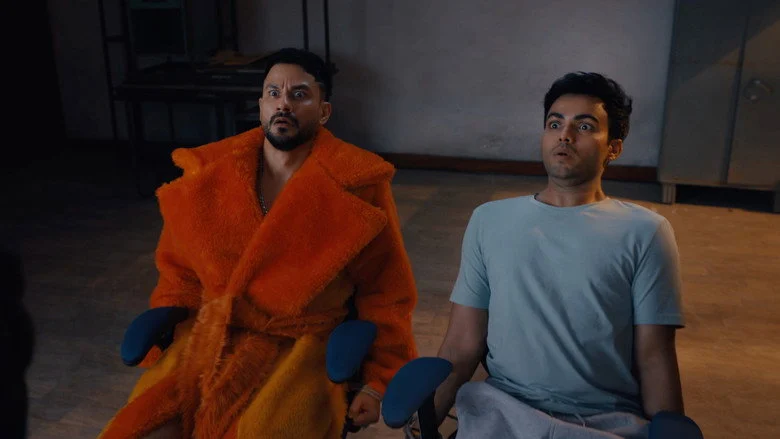
The pivot arrives when the pair stumble onto a terrorist plot and are recruited by Preity Zinta’s Madam H. The briefing sequence is the film’s thesis statement in miniature: two men with zero qualifications are handed a mission they cannot possibly execute, and the comedy is supposed to come from watching them fail upward. Zinta, in her comeback role, brings a commanding, energetic presence and throws herself into the action choreography with visible commitment, her sequences are among the film’s most physically engaged.
But watch what happens to the staging here. In the first act, Kemmu lets scenes run long enough for awkwardness to curdle into laughter. In the mission sequences, he starts cutting on the beat, defaulting to the grammar of the espionage thriller he is ostensibly parodying. The film stops trusting its own absurdity. The dialogue about “bahumuliya gadhas”, important donkeys, the film’s chosen term for its reluctant heroes, is a genuinely sharp piece of self-aware writing. It just deserves a movie confident enough to stay silly.
The critical consensus has largely split along exactly this fault line. IndiaForums called it “a chaotic, campy and thoroughly entertaining espionage comedy powered by sharp writing, quirky humour and terrific bromance, ” while Rediff countered that “despite occasional bursts of spunky comedy, the madness simply doesn’t land as expected.” Both are describing the same movie from opposite ends of the same problem.
Where The Villains Go To Die
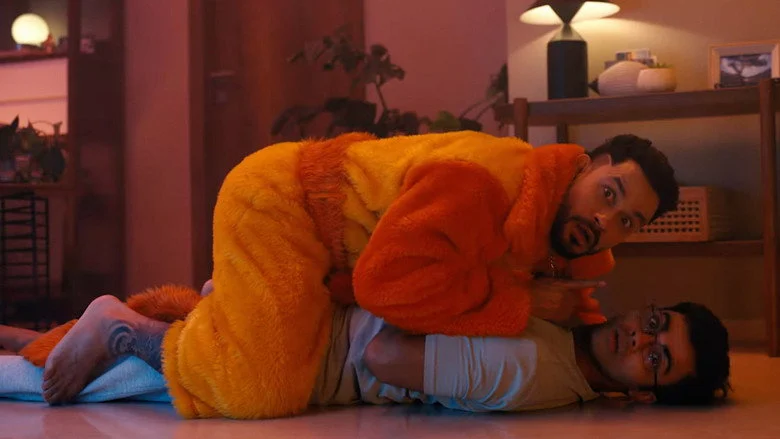
The antagonist problem is structural, not performative. Yashpal Sharma as Rawal and Dinesh Lal Yadav “Nirahua” as Bansi are asked to provide threat dynamics in a film that has already spent an hour teaching us not to take anything seriously. The result is a villain ecosystem that feels imported from a different production, present because the plot requires a threat, not because the comedy requires an antagonist. Sharmila Tagore’s special appearance is a lovely grace note, but it is a grace note in a film that needed a third act.
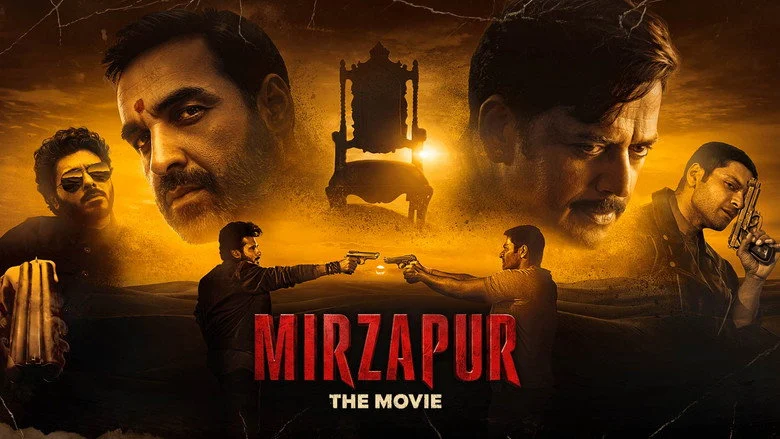
For another perspective on how ensemble-driven Hindi storytelling handles the shift from character comedy to higher stakes, our review desk’s take on Mirzapur review is worth revisiting, though the comparison flatters Vibe less than it flatters its ambitions.
Kemmu The Filmmaker Vs. Kemmu The Star
The most interesting tension in Vibe is watching Kemmu wear three hats at once. As an actor, he is doing his reliable Go Goa Gone-adjacent man-child routine, and he is good at it, the running gags land, the self-awareness is deployed with precision. As a director, he has a real feel for madcap situational comedy and character-driven chaos. As a writer, he has written himself a second half that his director cannot save and his actor cannot rescue.
The comparison to Madgaon Express is unavoidable and unflattering. That film was tighter, more disciplined, and crucially, it knew what it was for all 130-odd minutes. Vibe runs 145 minutes and spends at least 45 of them negotiating with itself about whether it wants to be a spoof or a thriller. The songs, Amit Trivedi’s “Raaton Mein Aana, ” “Aisi Meri Vibe, ” and others, are pleasant enough but do not carry the comic weight the film needs them to when the plot stalls.
For a different angle on how modest, faith-centered storytelling can work with far fewer moving parts, see our take on Hanuman Ansh verdict.
The Verdict
Vibe is a film with a great first half, a lost second half, and a director who has not yet figured out how to make those two halves coexist. The situational comedy is genuinely sharp, the bromance chemistry between Kemmu and Shrivastava is the real deal, and Preity Zinta’s return is more than a nostalgia play, she is doing actual work here. But the espionage shift trades masti for geopolitics, and the trade is not in the film’s favour.
See it if you are a mass-audience viewer who wants a chaotic theatrical laugh with friends, or a Kemmu loyalist willing to grade on the curve of his better film. Skip it if you need tonal consistency, or if you were hoping for another Madgaon Express, this is not that, and it knows it. As we frequently examine across Hindi Thriller reviews, ambition without control is still ambition. It is just harder to sit through.
Rating: 3/5
Ankit Jaiswal is the Chief Author, covering Indian cinema and OTT releases with honest, no-filler criticism. An SEO strategist by background, he brings a research-driven approach to film writing, cutting through hype to tell you exactly what's worth your time.