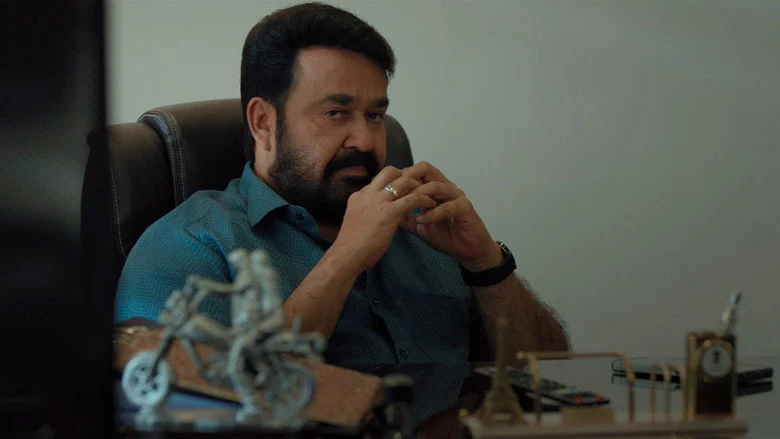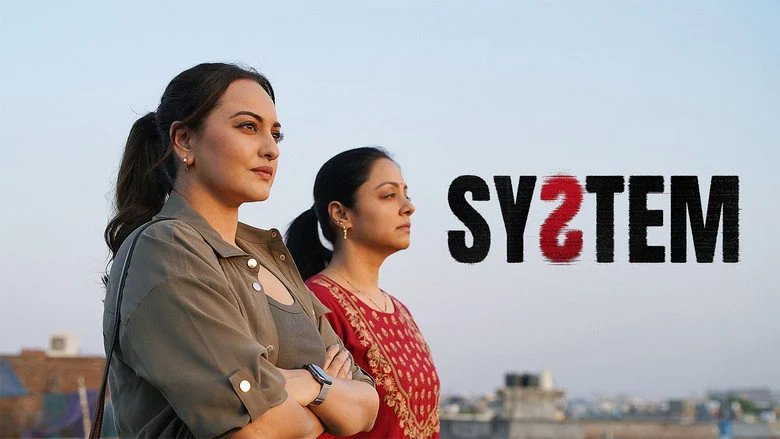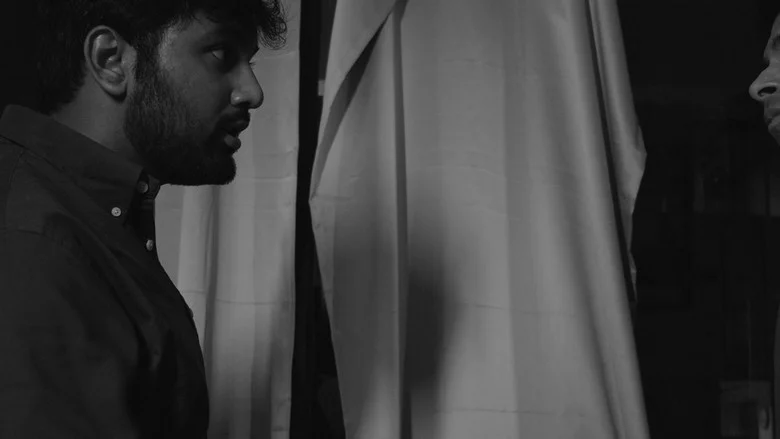


In the hall of Vishram Society, Dharmen Shah slides an offer across the table and watches a room full of neighbours fold at once. Yogesh Mishra, retired teacher, keeps his hands still, and Manoj Bajpayee’s stillness is the only resistance the film needs.
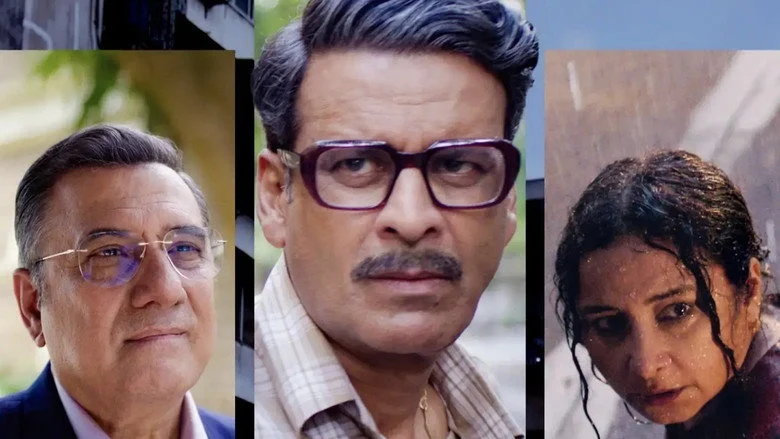
Manoj Bajpayee Refuses to Raise His Voice, and That’s the Point
Yogesh tutors neighbourhood children and preserves his late wife’s routines like chores. Bajpayee plays grief as habit, not spectacle; he irons a shirt because stopping would mean surrender.
Ground News called it “a restrained, dignified performance, ” and the restraint is the tactic, this man wins arguments by outlasting them. Rekhi rarely lets him leave the building, which suits a performance built on routine rather than revelation. The quiet is the performance; the film simply has to trust it.
The building’s escalating tactics land because Bajpayee never plays the martyr. He keeps tutoring the children who will soon move away. His routine is the only argument he has left.
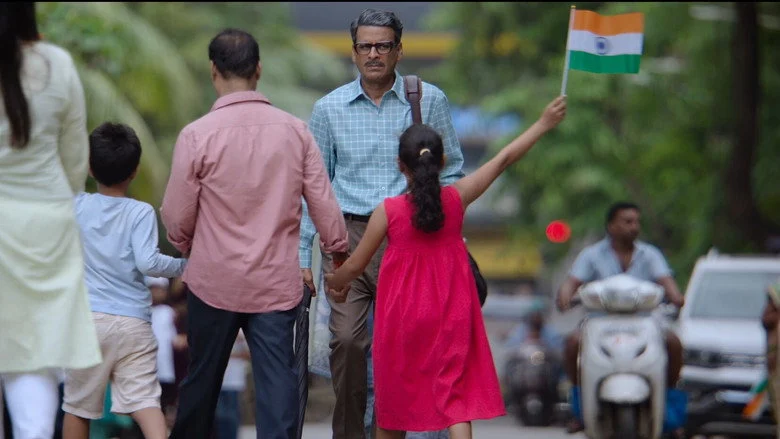
Ben Rekhi Keeps the Camera Home, Then Lets the Tension Sag
Rekhi keeps the camera inside the colony, letting cramped corridors and shared walls do the arguing. Sooni Taraporevala’s screenplay tracks shifting alliances with clean, linear patience across 97 minutes.
The trouble is tone. The novel’s mordant satire hardens into plain resignation, and the final act loses its teeth. Juhi Chaturvedi’s dialogue keeps the neighbours sounding like neighbours, which softens the schematic drift. That choice costs the finale its cruelty.
Rangarajan Ramabadran’s frames favour peeling paint, wet stairwells and rooms never meant to hold this many people. Govind Vasantha’s score stays low, and the editing keeps the first half patient before tightening the second.

When Mrs Puri Confronts Yogesh, Nobody Wins Cleanly
The film’s engine isn’t the builder but the neighbours. Boman Irani’s Shah barely appears; his offer does the work, and the building turns on itself with bureaucratic cheerfulness. Gaurav, Yogesh’s pragmatic son, is the first crack in the family wall. Rekhi shoots these meetings like weddings nobody wanted to attend.
The most effective pressure point belongs to Divya Dutta. Mrs Puri confronts Yogesh over her son’s future, and the scene refuses to referee. Both are right, neither will fold, and the screenplay lets that stand.
Where it slips is the back half. The first hour builds routines, gossip and small compromises; the second narrows into single-note isolation. The melancholy feels earned but the argument doesn’t, and Indian Express landed at 2.5/5.
Mumbai’s redevelopment battles have a long screen lineage, and the strongest Hindi Drama reviews tend to argue over how these stories end rather than who wins.
Sukant Goel Makes Gaurav’s Pragmatism Painfully Reasonable
Sukant Goel’s Gaurav rejects his father with apologetic pragmatism, the kind of betrayal that arrives dressed as concern. Divya Dutta gives Mrs Puri sharp-tongued desperation and care-giving tension, a self-interest she can justify to herself.
Hollywood Reporter India credited her with giving the film its pulse, and that pulse is its conscience. Boman Irani sells Shah as a purveyor of legacies, a smoother operator than his Khosla Ka Ghosla property dealer.
Dutta’s sharp exchanges with Bajpayee give the film its best rhythm, two veteran performers refusing to shout. Sukant Goel keeps Gaurav’s pragmatism painfully reasonable. Together they make the pressure feel domestic rather than dramatic.
Audiences Shrugged at Shah’s Offer, and the Film Shrugs Too
No organised backlash greeted this one, only a shrug from viewers who found the redevelopment theme familiar and the leads worth the ticket. Complaints settled on the adaptation drifting from the book and on a payoff that lands soft.
Hindustan Times still handed it 3.5/5, which tells you how much Bajpayee is carrying. Hollywood Reporter India, less convinced, called it “sturdy storytelling that offers no new insight.” That line stings because it’s accurate. The film never argues that greed is monstrous, only that it is ordinary.
The setting does quiet work: Vishram Society in 2010, a microcosm of a city replacing itself, and audiences who lived through that era recognised it. Residents who take the cheque are never villains, which is the film’s most honest move.
Go if you want a compact, well-acted study of how communities sell each other out; skip it if you need the satire the novel promised. I’d send you for Dutta and Bajpayee alone, the 97-minute runtime respects your evening. Regular theatrical or streaming suits something this intimate; nothing here needs a big screen.
Last Man in Tower is a 3/5 drama that respects its actors more than its own ideas, and one evening is a fair price for Bajpayee’s stillness.
There’s a similar stubbornness in Haiwaan review, another figure who refuses to move after everyone around him has already agreed to.
Both films tighten the screws on an isolated protagonist, though Transition verdict shows how hard that pressure is to land.
Ankit Jaiswal is the Chief Author, covering Indian cinema and OTT releases with honest, no-filler criticism. An SEO strategist by background, he brings a research-driven approach to film writing, cutting through hype to tell you exactly what's worth your time.