

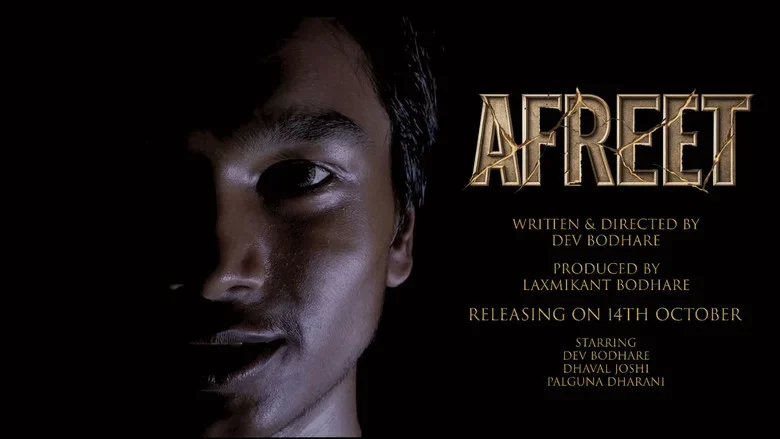
Dev Bodhare’s twenty-three-minute Hindi horror-comedy arrives not in multiplexes but on YouTube, a distribution choice that tells you plenty before a single frame unspools. Three friends, one challenge, and an ancient force that refuses to stay buried, the setup is lean enough to fit inside a single sitting.
A Compact Premise That Refuses the Feature-Length Crutch
The film opens on the ordinary: three friends gathering for an evening that feels indistinguishable from a thousand other evenings. Then a challenge, seemingly harmless, socially casual, cracks open something older and considerably less forgiving.
It is a familiar engine, and Bodhare knows it. The horror-comedy label promises tonal whiplash between laughter and dread, though the short runtime leaves precious little room for either to breathe fully.
What the structure does offer is compression. There is no subplot bloat, no extended mythology dump, no third-act detour into unnecessary exposition. The night simply begins, and then it does not end the way anyone planned.
When the Unknown Is the Only Antagonist Worth Fearing
No named villain stalks these frames. The threat is described only as something older, something released rather than summoned, and that anonymity works in the film’s favor during its strongest stretches.
Bodhare, pulling double duty as director and performer, understands that the unseen carries more weight than the revealed. The camera lingers on doorways, on shadows that may or may not shift, on the spaces between his co-stars’ reactions.
Dhaval Joshi and Palguna Dharani register as the film’s emotional anchors, though the screenplay gives them little to do beyond react. Their fear is legible in posture and hesitation, but the script never quite grants them interiority beyond the immediate scare.
Performance in the Absence of Character
Here lies the film’s central tension: the performers are asked to carry terror without being given people to inhabit. Bodhare’s own screen presence is watchful, restrained, but the role demands more than watchfulness, it needs a history the script withholds.
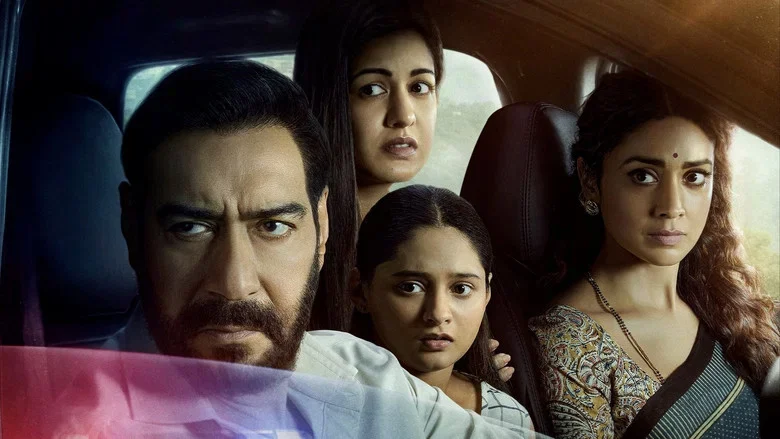
The chemistry among the trio feels functional rather than lived-in, the kind of shorthand friendship that exists because the plot requires three bodies in a room. Contrast this with the psychological weight Ajay Devgn brought to Drishyam, where silence carried an entire family’s unspoken dread.
That comparison may seem unfair to a twenty-three-minute short, but the principle holds: fear lands hardest when we understand what the characters stand to lose.
Tonal Whiplash Without a Safety Net
The horror-comedy classification proves the film’s most unstable element. Comic beats arrive without sufficient setup, and the scares that follow feel diminished rather than heightened by the preceding levity.
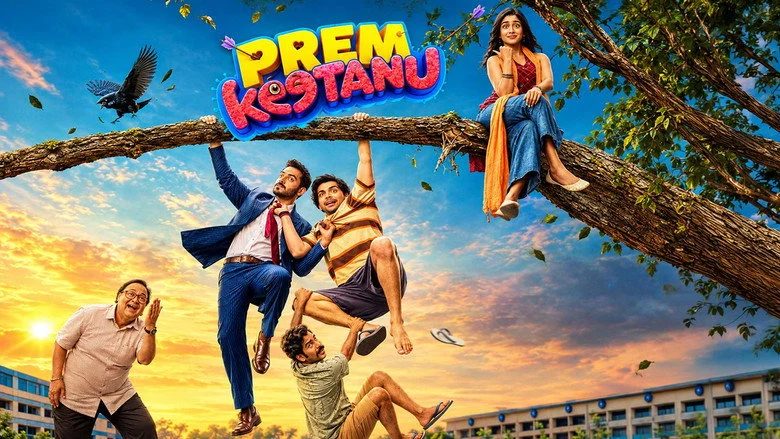
Where Priyadarshan’s haunted-mansion comedy in Bhooth Bangla at least committed to its slapstick rhythms, Afreet oscillates between registers without fully inhabiting either.
The result is a film that wants to unsettle and amuse in equal measure but struggles to sustain momentum in either direction. The night, as the marketing promises, is waiting, but it never quite arrives with the force the premise suggests.
Direction That Trusts Shadow Over Spectacle
Bodhare’s visual instincts lean toward restraint. The lighting favors practical sources, the framing keeps characters boxed within doorways and corridors, and the editing allows certain moments to sit just long enough to register as uncomfortable.
This is a director who has studied the genre’s quieter practitioners, and his choices reflect an understanding that atmosphere outlasts jump scares. The compressed runtime, however, denies these instincts the space to accumulate into genuine dread.
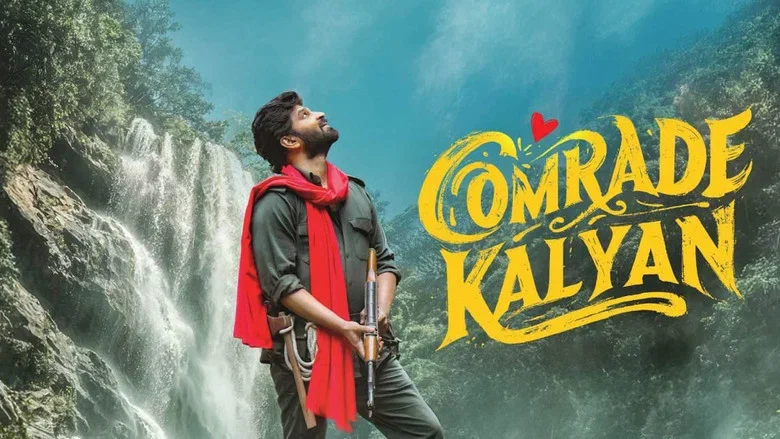
Compared to the more politically charged ambitions of Comrade Kalyan, this film operates on a smaller canvas with narrower goals. It aims to unsettle, not to argue, and within those limits it occasionally succeeds.
An Ending That Refuses Resolution
The film closes without clarifying whether its characters escape, succumb, or remain trapped in the loop its title suggests. That ambiguity could be read as confidence or as evasion, depending on how much goodwill the preceding twenty-three minutes have earned.
For viewers accustomed to the tighter narrative discipline of contemporary hindi horrors, the open-ended finish may frustrate more than intrigue. The night is never ending, the film insists, but a story still needs somewhere to land.
What remains is a modest, atmospheric exercise in short-form terror, one that understands the genre’s textures better than its mechanics. Bodhare shows promise behind the camera; his screenplay simply needs to catch up.
Rating: 2.5 / 5
Afreet – A Never Ending Night is a film that trusts its shadows more than its script, and in doing so, delivers a night that lingers without ever truly haunting.
Ankit Jaiswal is the Chief Author, covering Indian cinema and OTT releases with honest, no-filler criticism. An SEO strategist by background, he brings a research-driven approach to film writing, cutting through hype to tell you exactly what's worth your time.