

The first thing Raghu Jadhav does inside the gates of that impossibly polished school is shrink. Not speak, not smile, shrink, shoulders folding inward as the corridor swallows him whole.
Swarupraj Medara’s Nanhey Dil wants to turn that flinch into a thesis about class, opportunity and the small mercies of friendship. It gets halfway there.
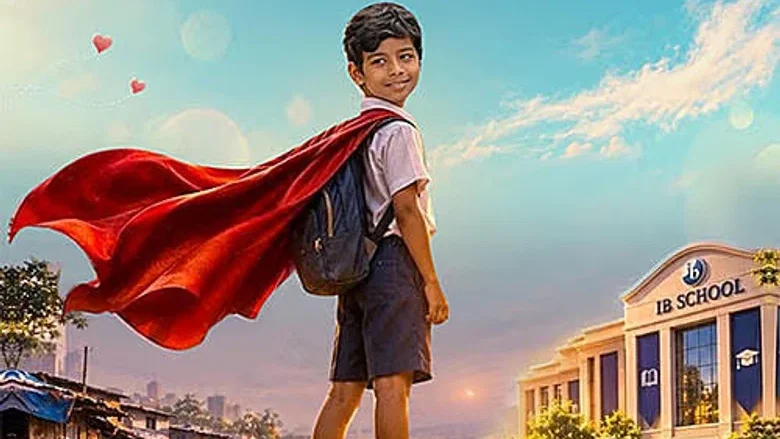
A Laundry Worker’s Son Walks Into A Trust-Fund Classroom
The setup is clean and unashamedly old-fashioned. Principal Anthony, played by Suniel Shetty with a composed, faintly paternal stillness, spots something bright in a boy whose mother scrubs collars for a living.
He opens a door. The film then spends its first act watching Raghu (Sarvesh Adawade) learn that a uniform is not the same thing as belonging.
Medara stages the contrast bluntly, the cramped Jadhav household against the school’s gleaming banisters, and there is an honesty to how unglamorous the poverty looks. No golden light on the laundry steam, no violins. Just work.
When Sharing A Tiffin Becomes The Whole Argument
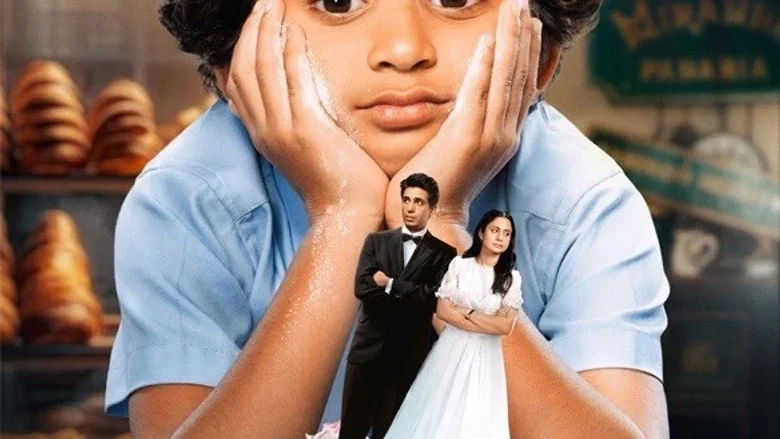
The film’s best sequence is its smallest. Raghu, mortified by his homemade lunch, watches a classmate reach across and take a bite, and the room’s temperature changes.
It is a genuinely intelligent piece of staging because it refuses dialogue. The camera stays at table height, at the level of the children’s hands, and the social distance closes through an ordinary act of eating.
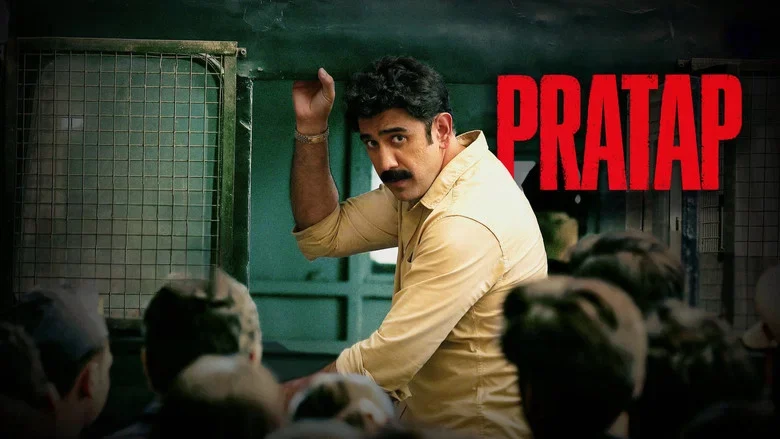
That restraint is the film’s real grammar. Where a lesser drama would have a teacher deliver a speech about equality, Medara lets a lunchbox do the talking, a discipline that recalls how the grim institutional texture of Pratap was built from procedural detail rather than proclamation.
Six Children, One Ultimatum, And A Script That Blinks
Then the trustees arrive with their condition: match the rich kids’ marks or leave. It is a sharp, measurable stake, and the moment the film should get dangerous.
Instead it softens. The six classmates become a collective rescue squad, and the second half tilts toward exam-prep montage rather than institutional confrontation.
The trustees remain a faceless policy engine. Nobody in that boardroom gets a face, a motive, or a moment of ugly conviction, so the film’s critique of class barriers never draws blood.
This is where the screenplay’s simplicity curdles into evasion. A story that begins by naming an injustice ends by asking children to out-perform it rather than question it.
Adawade’s Quiet Face And Shetty’s Tailored Authority
Sarvesh Adawade carries the film on hesitation. Watch his hands in the classroom scenes, always half-raised, never committing, and the way his eyes track the floor before they track a face.
It is a performance built on withholding, and it works precisely because the boy never begs the audience to like him.
Shetty, meanwhile, plays Anthony as a man who has learned to be still. His authority lives in posture and tailoring rather than volume; he corrects a student with a lowered chin, not a raised voice.
It is a warmer register than the boisterous ensemble energy of Welcome to the Jungle, and a more disciplined one, Shetty’s comic timing there was all elbows, here it is all restraint.
Among the young ensemble, Kavya Dave’s Rohit registers most clearly, largely through a shrug-and-grin delivery that makes generosity look casual rather than saintly.
Medara’s Camera Stays Low, And That Is The Point
The visual scheme is modest but coherent: low angles that keep adults looming, wide classroom frames that isolate Raghu at the edge of the group before gradually pulling him into the centre.
There is no showy lensing, and the background score leans on soft piano cues that occasionally push too hard on moments already doing their own work.
The pacing, at a lean hundred minutes, moves briskly through the first half and then slackens once the examination plot takes over, the middle sags into repetition as the friends’ tutoring sessions cycle without escalation.
What the film lacks is a single scene where the stakes turn personal. The class divide stays abstract, and abstraction, however well-meaning, rarely leaves a bruise.
The Box-Office Arithmetic Of A Small, Sincere Drama
Navaras Entertainment, Srinathji’s Hospitality and Ninefold Pictures have backed a modest, child-led social drama with no franchise scaffolding and no star-vehicle muscle beyond Shetty’s name above the title.
That is a risky bet in a market that rewards scale. The film’s commercial life will depend on family word-of-mouth rather than opening-weekend heat, and the mixed audience scores across city listings suggest that word-of-mouth is arriving lukewarm.
For Shetty, this is a deliberate sideways step, trading the broad comedy circuit for a character role that asks him to hold a room without raising his voice. Whether that recalibration pays off depends on whether exhibitors give the film a second week to find its audience.
A Fable That Chooses Kindness Over Confrontation
The ending resolves through collective effort and a principal’s quiet conviction that talent should not be priced by a father’s wages, a sentiment the film clearly believes, and one it earns honestly enough.
But the resolution also reveals the film’s limits. It wants to indict a system and then asks that system, politely, for a favour.
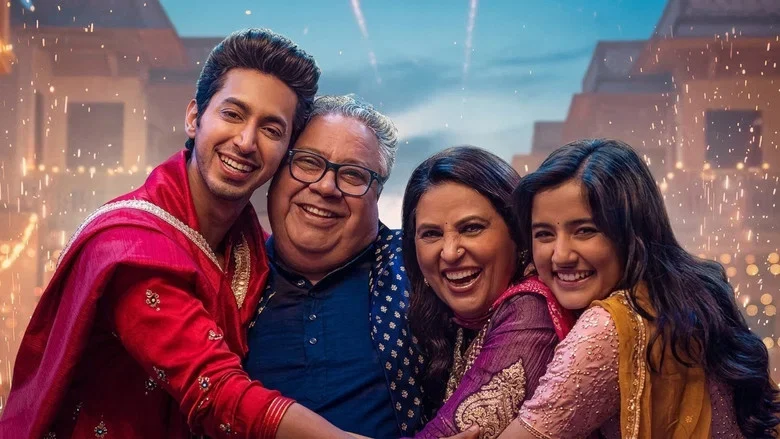
That tension between anger and gentleness is the whole character of Nanhey Dil, a film whose tenderness is real and whose timidity is just as visible. It sits comfortably alongside the softer social textures of Dilwali Diwali, and like that film, it settles for warmth where it might have risked fire.
What lingers is not the exam, not the ultimatum, but a boy’s half-raised hand, a small, unresolved gesture that the movie, to its credit, never quite lets go of.
For a growing appetite for grounded, character-first storytelling across contemporary Hindi dramas, that gesture is worth more than any speech the trustees never had to hear.
Ankit Jaiswal is the Chief Author, covering Indian cinema and OTT releases with honest, no-filler criticism. An SEO strategist by background, he brings a research-driven approach to film writing, cutting through hype to tell you exactly what's worth your time.