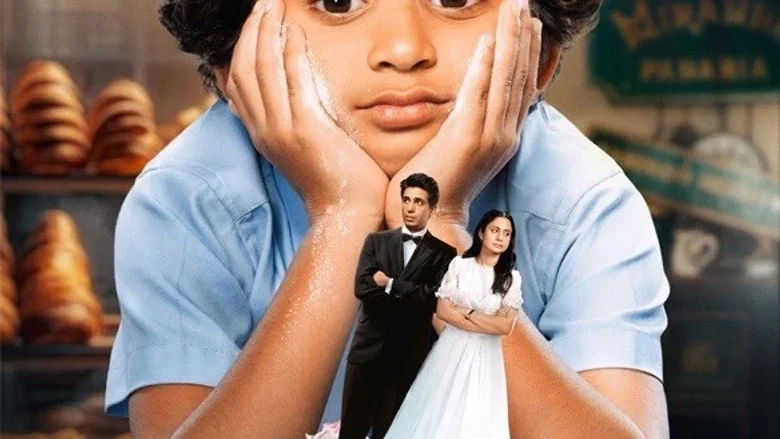


The apartment is spotless, the balcony faces the right skyline, and nobody wants to live there. Ritesh Menon’s Netflix family drama opens on that precise gap between what a son can buy and what a family can accept.
A High-Rise Delivered Like A Verdict, Not A Gift
Ansh Sikkha returns to Punjab after years overseas carrying keys and a theory of gratitude. The flat is his evidence: proof that the distance was worth it, that love can be itemized in square footage.
Menon stages the reveal with almost no music, letting the family’s silence do the arguing. It’s the film’s cleanest idea, and for a while it carries real weight.
When The Conflict Has No Villain, The Script Has To Do The Work
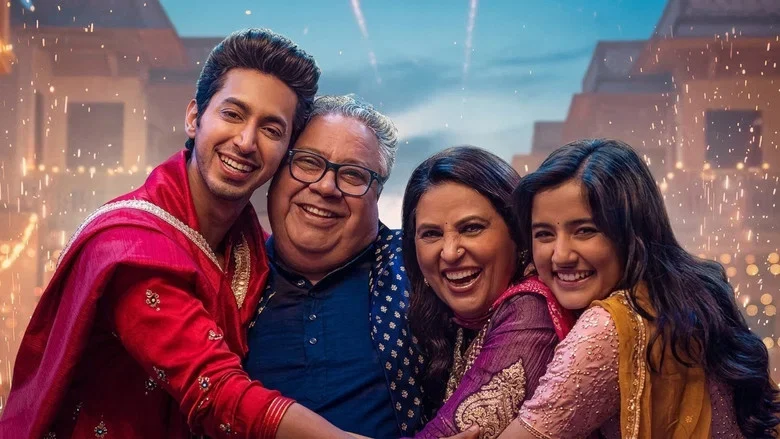
There is no antagonist here, only competing definitions of a life well lived, distributed across aunts, elders and cousins at a Diwali table. That’s an honest choice.
It’s also an evasive one. Without a figure to push against, the friction stays polite, and the film mistakes ambient disagreement for drama. The Diwali gathering gives everyone a reason to share a room but rarely a reason to draw blood.
The screenplay’s symbolic engine is sound: the apartment is a prop that means class, duty and distance at once. What it lacks is a scene where someone actually says the unforgivable thing.
Ahuja Plays The Gap, Pahwa Plays The Floorboards
Mihir Ahuja is smartest in the small physical tells, the way Ansh keeps straightening a cushion in a home that isn’t listening. His smile arrives a half-second late whenever his parents change the subject.
What he doesn’t yet command is stillness under pressure; when the confrontation finally comes, he plays the emotion outward rather than letting it pool. The contrast with the more seasoned register of his screen parents is instructive rather than damaging.
Manoj Pahwa does the least and lands the most, sitting with his hands folded over his stomach, answering questions with a nod that means no. Neelu Kohli handles the domestic choreography with practiced ease, though the writing gives her hospitality to perform and little else.
The younger ensemble drifts at the edges of the frame, present for the group photograph and gone before they’ve registered. It’s a casting texture problem, not a talent problem.
Menon’s Discipline: A Camera That Refuses To Editorialize
Menon keeps the frame wide during arguments and close only when a character is alone, which is the right instinct. The festival lighting is warm without being sentimental, and the new apartment is shot with a cool, unused stillness.
The problem is rhythm. Scenes end a beat before the tension converts into anything, and the film’s middle stretch settles into a comfortable loop of grievance and reconciliation.
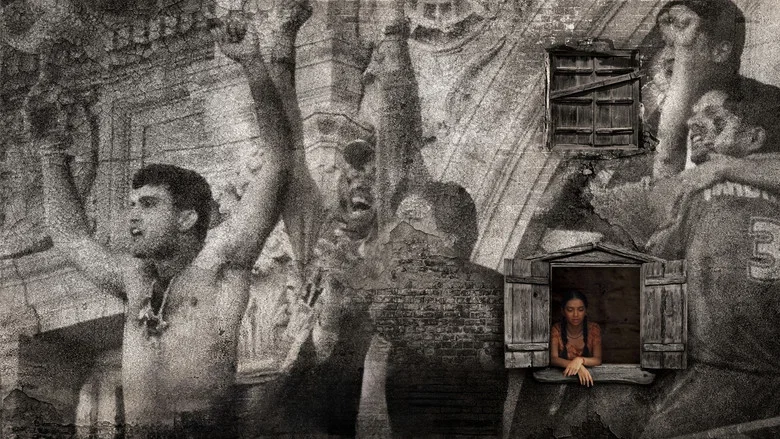
That restraint reads as maturity in isolated moments, the same instinct that made Love Story Abhimanyu Ki feel thinner than its ambitions, and here it leaves the drama undernourished.
Where the film finds its footing is in the quiet aftermath of the Diwali dinner, when the family disperses and the apartment is suddenly, audibly empty. It’s the one sequence where the premise and the filmmaking agree.
The Performance Foil That Sharpens The Stakes
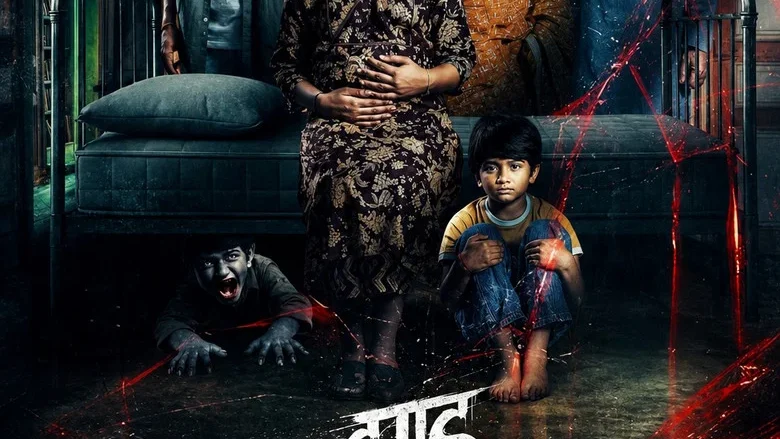
Ahuja’s work here benefits from comparison with the more externalized register he brought to Jhaad Phoonk, where volume substituted for interiority. He’s learning to underplay, and the growth is visible.
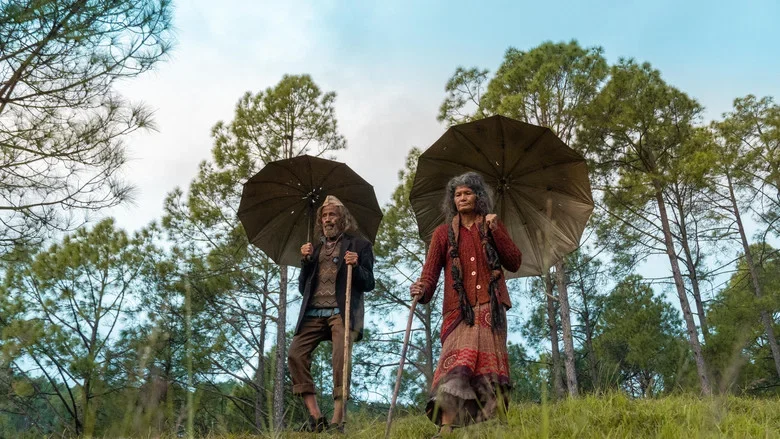
The film’s closing movement toward reconciliation is emotionally legible but dramatically soft, resolving the argument without ever fully staging it. It aims for the slow grace of Pyre and lands closer to a warm hug.
What Netflix Is Actually Buying With This One
As a Netflix acquisition rather than a theatrical proposition, the film’s commercial logic is a festival-season family title that plays well in the background of a Diwali gathering. That’s a real audience, and a modest one.
The risk sits with the platform’s Hindi drama slate, which is increasingly crowded with precisely this kind of gentle, well-performed, low-stakes domestic story. Differentiation is the entire game, and this one doesn’t fight hard enough for it.
For Ahuja, the film is a useful stepping stone toward more interior roles rather than a star-making vehicle. For the broader ecosystem of contemporary hindi dramas, it’s another reminder that good intentions don’t automatically generate tension.
The Keys Are Returned, But The Question Isn’t
The film’s final gesture is generous and slightly evasive, letting the family arrive at understanding without anyone having to earn it. The apartment stays; the argument quietly dissolves.
What lingers isn’t the reconciliation but the earlier silence, the moment a son realizes his gift was a question his parents never wanted to answer. That’s the film Menon almost made, and the one worth waiting for next time.
Ankit Jaiswal is the Chief Author, covering Indian cinema and OTT releases with honest, no-filler criticism. An SEO strategist by background, he brings a research-driven approach to film writing, cutting through hype to tell you exactly what's worth your time.