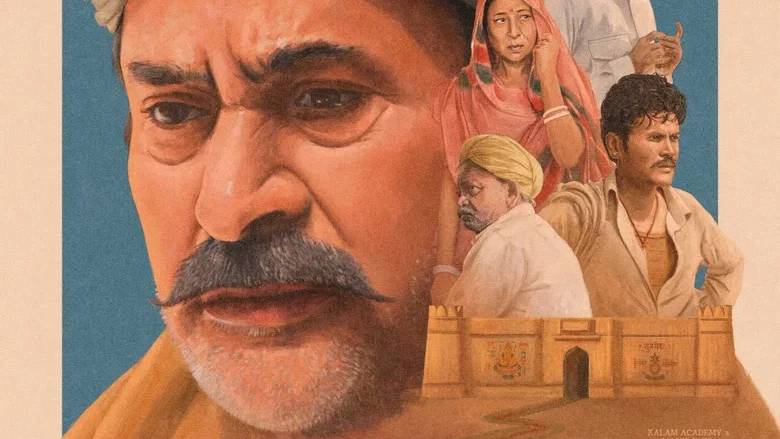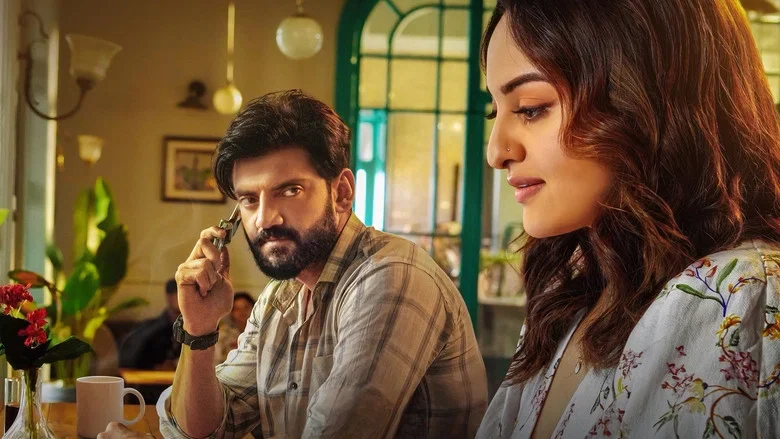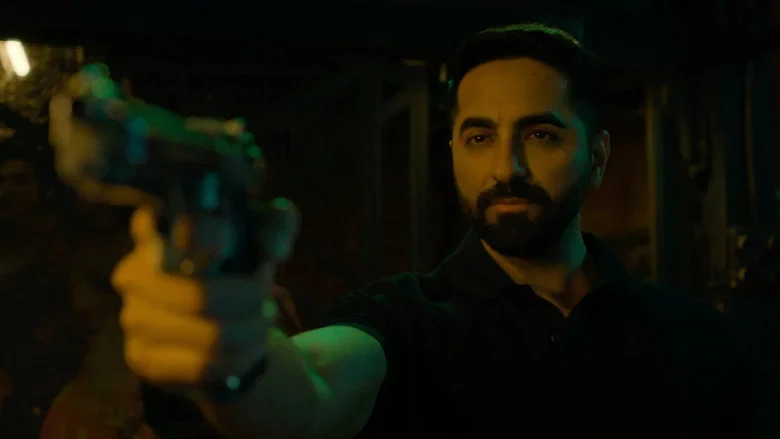


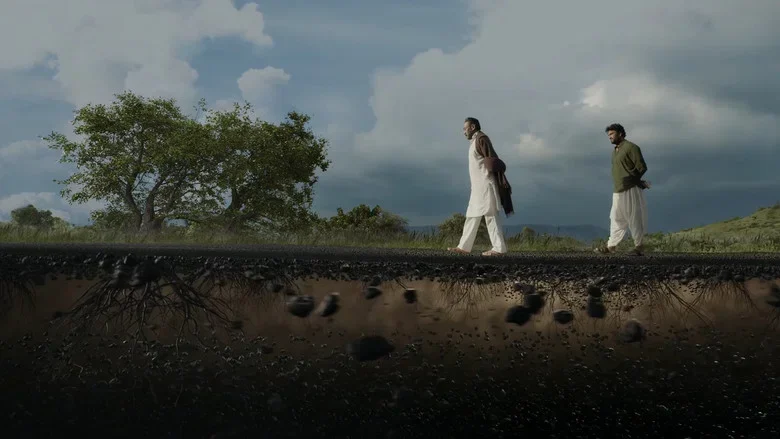
Haris Imtiyaz Khan opens Kaali Kheti on soil that refuses to yield, and the camera plants itself low enough to make the earth feel like a threat.
Within minutes, the film establishes a contract with the audience: this is a horror-thriller that will earn its dread through patience, not volume.
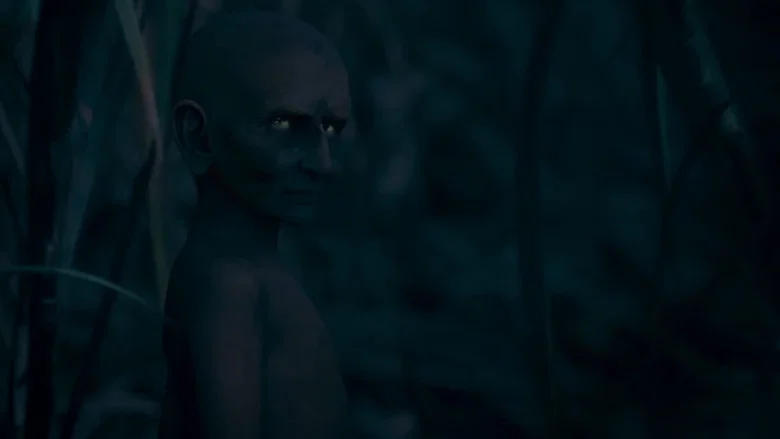
A Horror Film That Refuses to Announce Its Monster
What strikes first is the confidence of the withholding. Khan withholds the reveal, holds the frame past comfort, and lets ambient sound do the work a jump-scare orchestra would normally handle.
That restraint is a gamble in a market conditioned to expect a ghost every twelve minutes, but it pays off in a first act that feels coiled rather than slow.
The screenplay, working from a premise that treats the land itself as a repository of guilt, keeps its characters tight-lipped about what they know. That decision gives the dialogue an anxious, sideways quality.
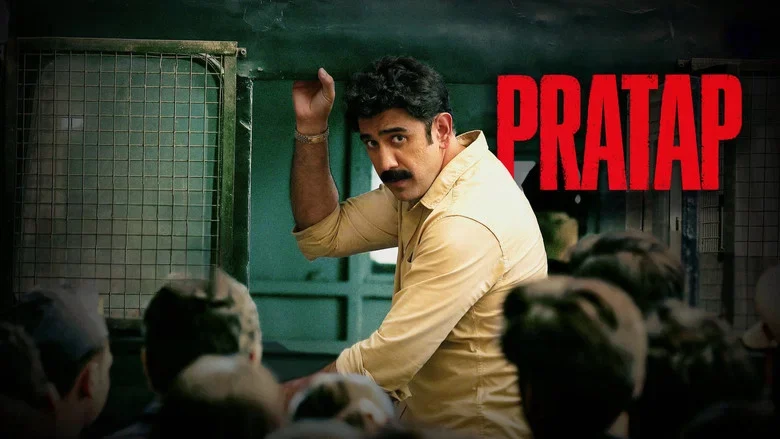
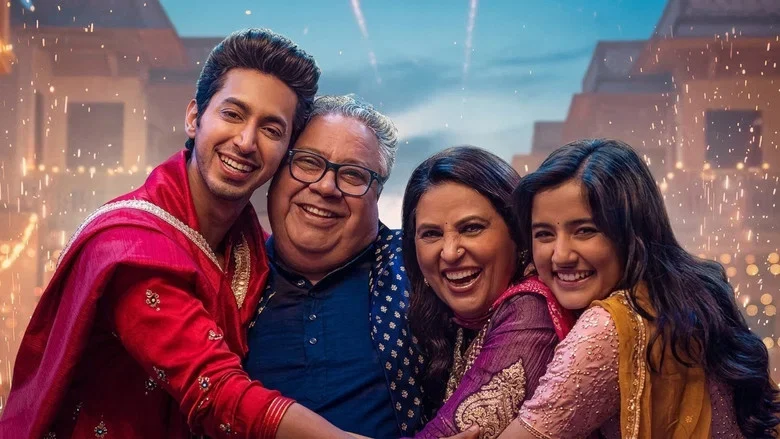
Just as he demonstrated a tighter spatial discipline in Dilwali Diwali, Khan strips away decorative camera moves here to prioritize raw psychological friction.
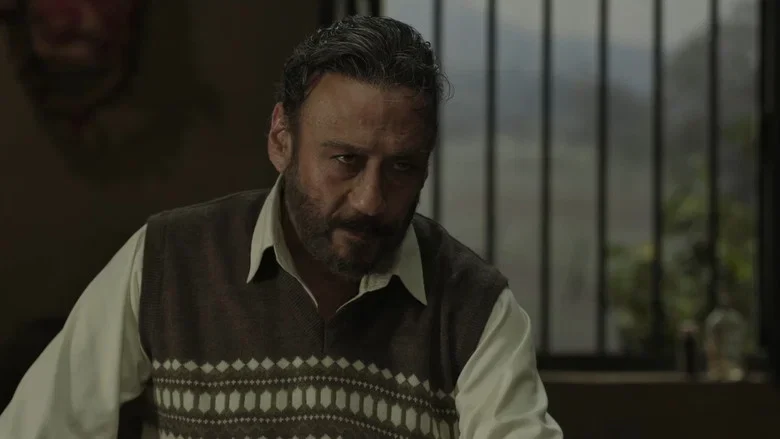
Jackie Shroff’s Stillness Becomes the Film’s Most Dangerous Force
Jackie Shroff does something unusual with his screen time. He plays a man who has made peace with something terrible, and the performance lives in the jaw and the hands rather than the voice.
Watch the way he occupies doorways. He never fully enters a room, always holding the threshold, and that physical hesitation tells you more about his character’s history than any exposition could.
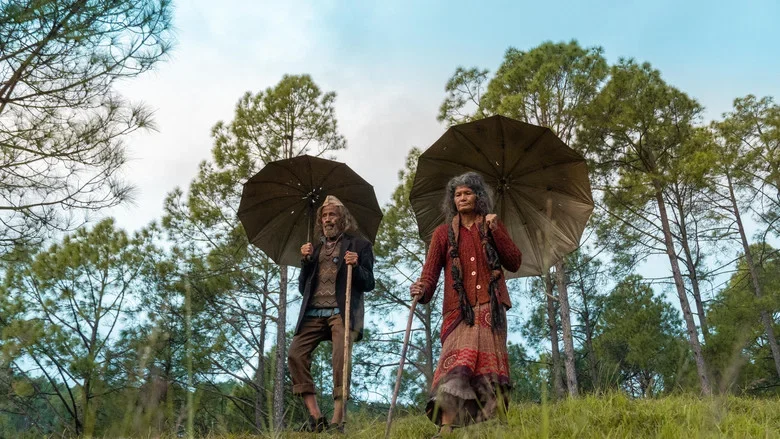
The restrained physical exhaustion he brings to the film’s quietest confrontation recalls the psychological weight of his turn in The Great Grand Superhero, though here the register is far darker.
Sharad Kelkar carries the opposing energy, all forward momentum and clenched urgency, and the two actors generate real friction whenever they share a frame.
Their best scene together is a conversation conducted almost entirely in profile, neither man willing to turn and face the other, and the staging does the work of a page of dialogue.
Where the Middle Act Loses Its Nerve
Around the halfway mark, the film begins to explain itself. A character articulates the rules of the supernatural threat, and the air goes out of the room.
This is the oldest mistake in the genre playbook, and it is frustrating precisely because the first half demonstrated such discipline. The unknown was doing the work; the explained becomes furniture.
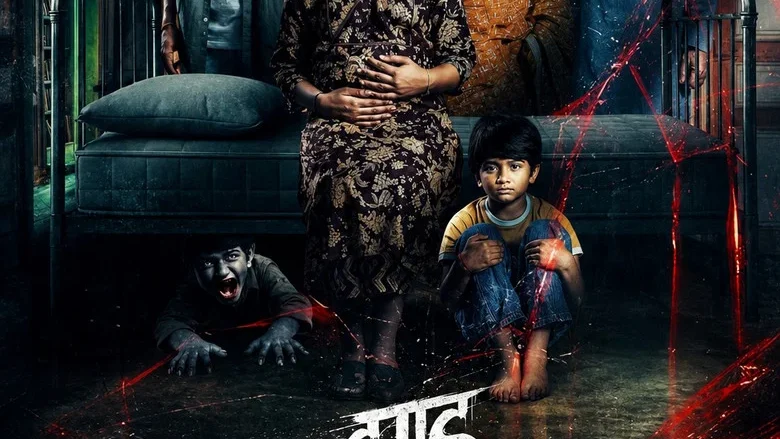
The screenplay resists the kinetic sensationalism that overtook Jhaad Phoonk, opting instead for a deliberate, suffocating dread, but it cannot fully resist the urge to tidy its own mythology.
To the film’s credit, the supporting ensemble of village elders and relatives is used sparingly, and their silence around the central mystery reads as communal complicity rather than filler.
Sound Design and Framing Do the Heavy Lifting
The film’s most valuable collaborator is its sound team. Wind, insects, and the creak of old wood are mixed high, while the score stays deliberately sparse until the final reel.
The camera work favors long lenses that compress the space between characters, making even open fields feel claustrophobic. When the film does cut wide, it is to isolate someone against a horizon that offers no comfort.
Lighting is sourced almost entirely from practicals, lamps and hearths, which keeps faces half-lit and forces the audience to lean in. That choice is a quiet argument for seeing this on a big screen rather than a phone.
The editing in the back half tightens appropriately, though one late sequence of crosscutting between two locations feels more mechanical than suspenseful.
The Commercial Math Behind a 109-Minute Horror Bet
The producing banners behind this release are staking real capital on the proposition that adult-skewing Hindi horror can hold a theatrical window against the streaming tide.
That bet is not reckless. The compact runtime keeps exhibition costs manageable, and the A certificate signals a targeted, not diluted, audience proposition.
Shroff’s box-office leverage has shifted in recent years toward character work and ensemble anchoring, and this film leans into that currency rather than asking him to carry a franchise alone.
This patient character study signals a welcome tonal maturity across contemporary hindi horrors, proving that tension thrives without manufactured plot theatrics.
The Verdict: A Horror That Earns Its Silence, Then Talks Too Much
Kaali Kheti is a genuinely atmospheric piece of Hindi horror that trusts its lead actor and its soundscape more than its screenplay, and mostly gets away with it.
The final act resolves with a bleakness that feels earned rather than cruel, and the closing image lingers longer than the plot deserves.
It is a film that understands the terror of a held breath, even if it occasionally forgets to keep holding it.
Ankit Jaiswal is the Chief Author, covering Indian cinema and OTT releases with honest, no-filler criticism. An SEO strategist by background, he brings a research-driven approach to film writing, cutting through hype to tell you exactly what's worth your time.