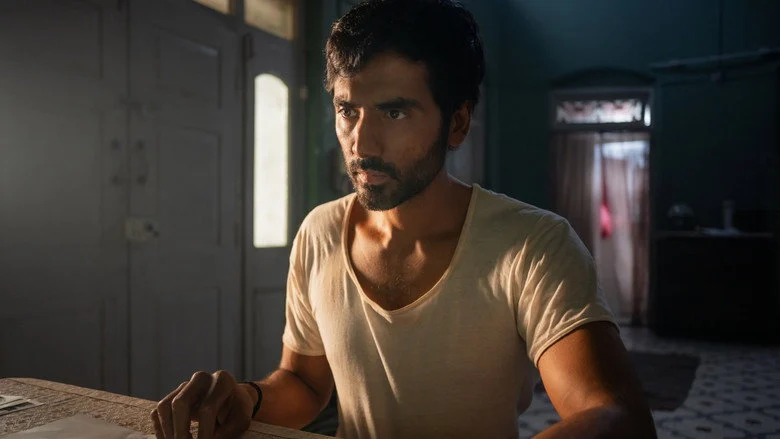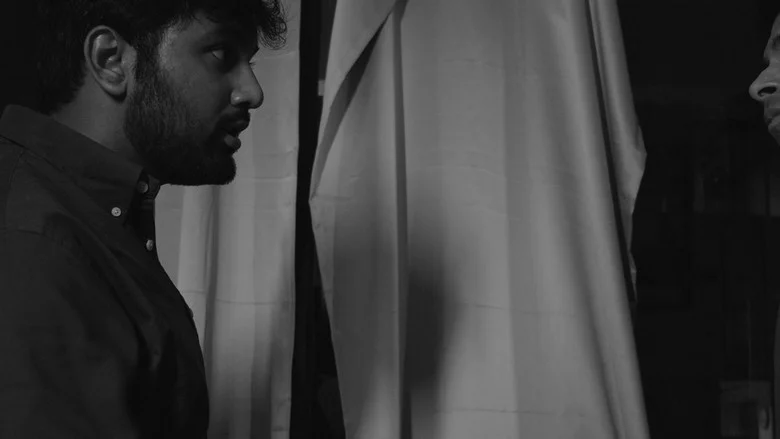


Chander sits alone in his Bhopal flat in 2018, a man orbiting his own memories like a planet stuck in a lazy ellipse. The DWD Logistics worker carries his unresolved history into every mundane routine, and Massey makes that weight feel lived-in rather than performed.
This is a romance built on sighs, not declarations, and that’s both its quiet strength and its ceiling.
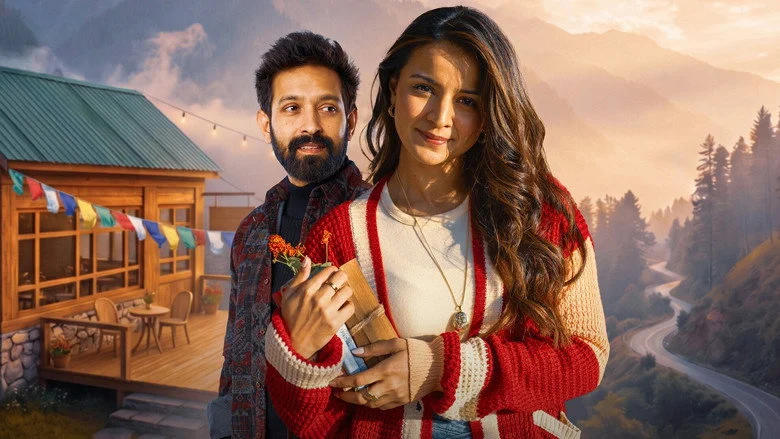
Massey’s Controlled Register Almost Masks a Familiar Persona
Massey’s Chander is grounded through small gestures: a pause before answering, a glance that holds too long. He carries the show through controlled moments rather than big dramatic turns, and it works, mostly.
But there’s a nagging sense that he’s playing a variation of a screen persona we’ve seen him inhabit before. The sincerity is real, yet the character never fully separates himself from Massey’s established wheelhouse.
Genre Execution: Restraint as Both Virtue and Trap
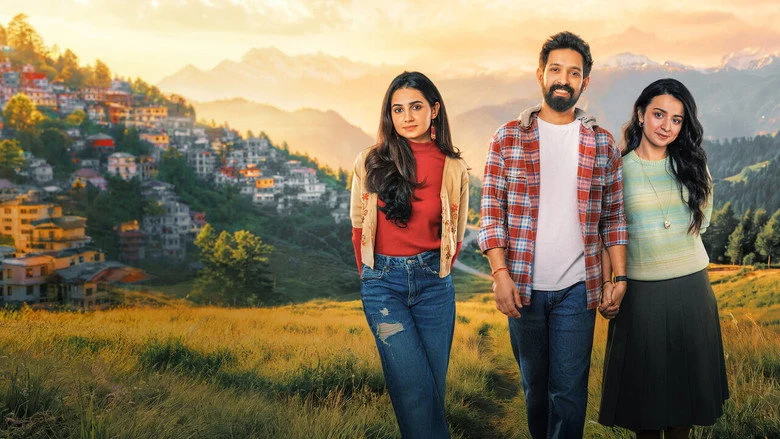
The Chander-Sudha exchanges are the clearest example of what this show does well. Pinto and Massey build a romantic track on emotional expressiveness and unspoken understanding, letting chemistry do the heavy lifting that the plot refuses to attempt. It’s tender, mellow, and genuinely affecting in stretches.
The dialogue is dense and witty, but that density cuts both ways. Some reviewers found the loquaciousness effective; others felt the series talked around its emotions instead of dramatizing them. The picturesque framing and soothing music support the mood, but they also smooth over the story’s rougher edges.
The closing unresolved turn is where the genre promise breaks. The ending feels abrupt, a cliffhanger that reads less like intentional ambiguity and more like an unfinished thought. The emotional payoff depends entirely on performance, and when the writing refuses to commit, even good acting can’t fully compensate.
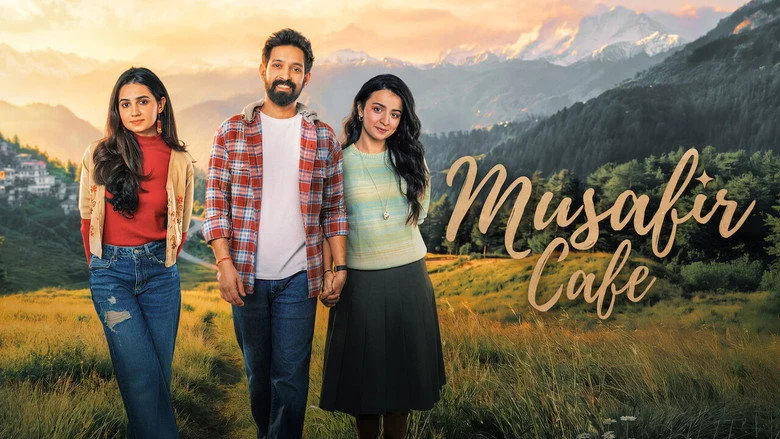
Vedika Pinto Steals the Show While Mahima Makwana Waits in the Wings
Pinto is frequently singled out as the standout, and it’s easy to see why. Her emotional expressiveness gives Sudha a presence that lingers beyond individual scenes, making the central romance feel earned even when the screenplay plays it safe.
Makwana delivers an understated, natural performance as Preeti, but several reviews noted her character deserved more screen time and writing support. She’s effective in what she’s given, the problem is how little that is.
Adil Hussain appears in the cast, though detailed scene-specific analysis is thin. His presence signals a certain dramatic weight, even if the material doesn’t consistently use it.
Safe Storytelling and an Ending That Divides the Room
The core criticism across reviews is consistent: this is a mature relationship drama undone by safe choices. One publication called it “a mature relationship drama undone by safe storytelling, ” while another wished it “could have been a pyaari prem kahani.”
Director Ruchir Arun keeps the tone tender and emotionally coherent, but he doesn’t push the material far enough. The parallel tracks remain underdeveloped, and the first half is slow to find its rhythm.
There’s no controversy here, political or otherwise, just a quiet debate about whether restraint equals depth or avoidance. The IMDb rating sits at 7.3 from a small sample, which feels generous for a show this uneven.
For more Hindi romance reviews, browse our Hindi Drama reviews section.
I found myself wishing the show trusted its leads enough to let the plot catch up to their performances. The chemistry between Massey and Pinto is the engine, but the vehicle never quite leaves the garage.
Watch this on OTT if you’re a fan of low-key emotional storytelling, but go in knowing the destination is less satisfying than the journey. Musafir Cafe Season 1 earns a middling 3 out of 5, a warm breeze that never becomes a storm.
For a similar register of masculine restraint, check out Awarapan 2 review.
If you want another take on legacy-driven drama, Batwara 1947 verdict offers a different flavor.
Ankit Jaiswal is the Chief Author, covering Indian cinema and OTT releases with honest, no-filler criticism. An SEO strategist by background, he brings a research-driven approach to film writing, cutting through hype to tell you exactly what's worth your time.