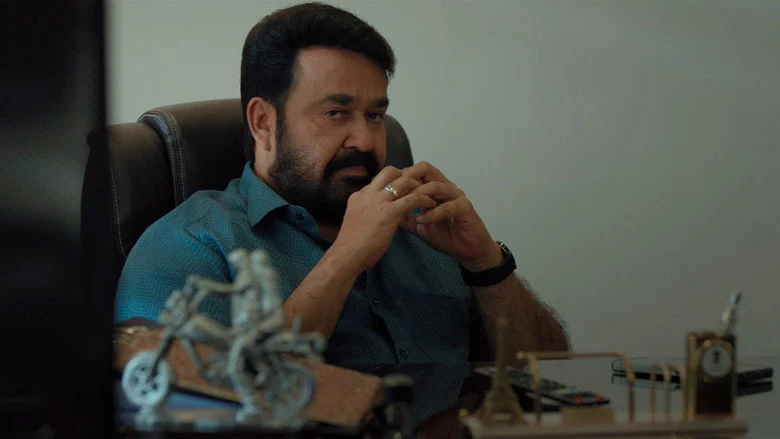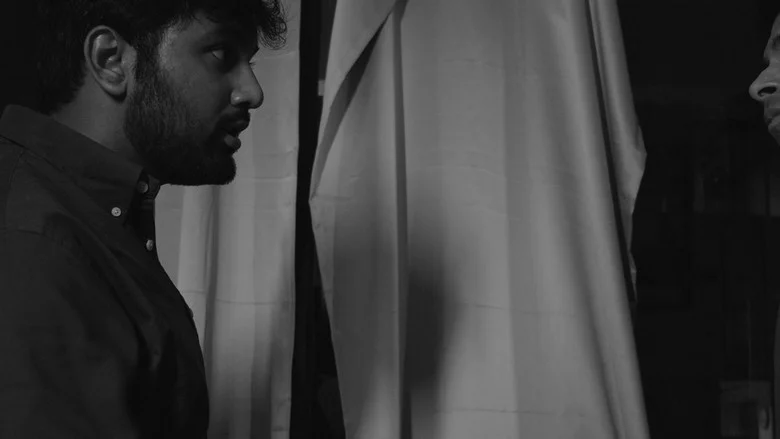


Inside a Lahore haveli that neither family can legally call their own, an elderly woman refuses to move, and a refugee patriarch must decide whether possession or compassion wins. That single moral standoff, teased relentlessly in the trailer, is the engine of Rajkumar Santoshi’s Batwara 1947, a film that wants to be a reckoning with history, not just a retelling of it.
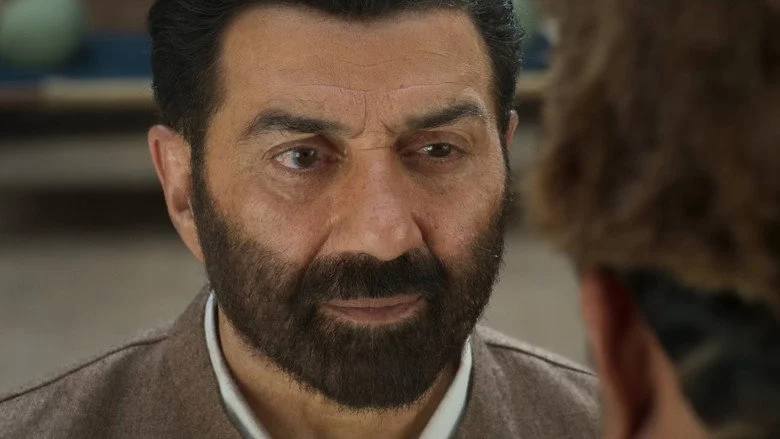
Sunny Deol’s Resolve Finds Its Quietest Register Yet
Sikander Mirza is not the usual Sunny Deol archetype of explosive rage. Pre-release material frames him as a protector negotiating fear and housing insecurity, a man whose confrontation is moral rather than purely physical.
His presence signals a shift, the action star repurposed as a refugee patriarch carrying the weight of displacement. The trailer’s central confrontation, where his family faces Mai over the right to remain, suggests a performance built around resolve under pressure, not reaction.
Santoshi and the Screenplay’s Stage-Born Discipline
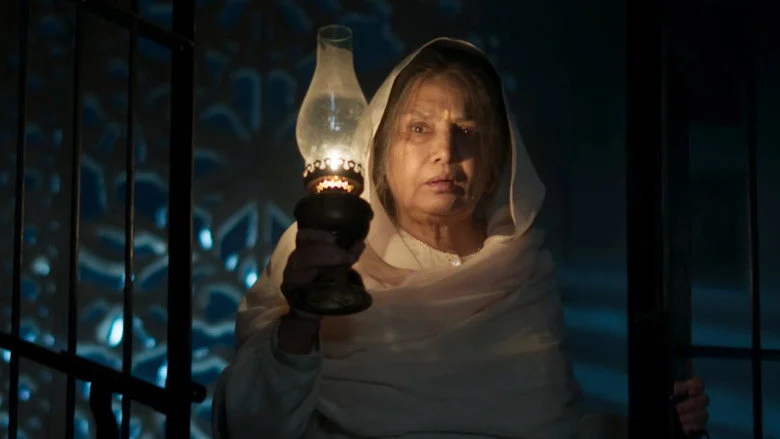
Adapting Asghar Wajahat’s play Jis Lahore Nai Vekhya, O Jamya E Nai gives the film a controlled, theatrical spine. The house becomes a pressure cooker where legal possession and moral claim collide, and Santoshi’s strength has always been staging conflict in confined spaces.
Yet the pre-release material reveals a potential flaw: the action element, listed as a secondary genre, risks undercutting the domestic tension. If the violence outside the haveli becomes spectacle rather than context, the play’s intimate moral argument could get lost.
The Genre Core: Drama That Refuses Easy Heroes
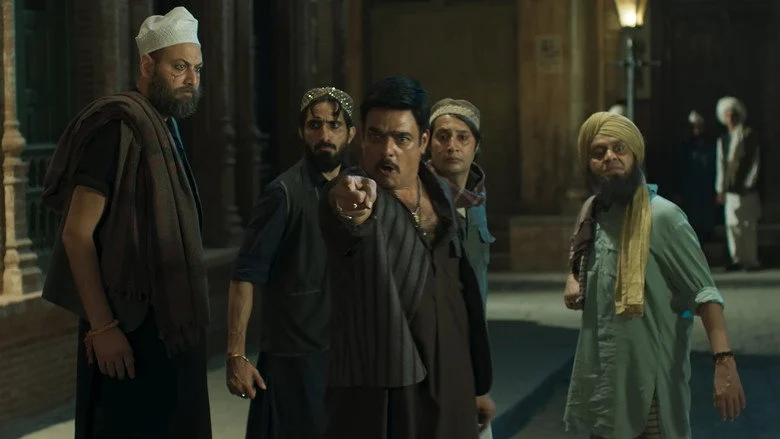
This is fundamentally a drama about two displaced families forced into a single home by Partition, and the craft hinges on how Santoshi balances the external communal breakdown with the internal domestic standoff. The trailer’s most praised setup, the moral clash between Mai and the refugee family, points to a film that trusts staged exchanges over kinetic setpieces.
The period backdrop demands production design and costume coherence, and the listed crew suggests serious investment in that world-building. But the play adaptation format also carries risk: if the dialogue becomes too theatrical, the film could feel like filmed theatre rather than cinema.
What the trailer gets right is the contrast between the chaos outside and the controlled dread inside the haveli. That geography of fear, where a home becomes both refuge and wound, is the film’s most promising dramatic tool, and Santoshi’s direction appears to lean into it.
Shabana Azmi and the Supporting Cast’s Moral Weight
Azmi’s Mai anchors the film’s ethical counterweight; her refusal to leave the ancestral home turns her into the story’s conscience. The casting signals a deliberate choice to ground the conflict in a veteran performer who can hold moral authority without sentimentality.
Preity Zinta returns to cinema as a displaced family member mediating domestic tension, a role that positions her as the emotional bridge between the two households. Ali Fazal’s significant supporting part remains underdefined in pre-release coverage, but his casting suggests a character caught between loyalties, likely representing the younger generation’s fractured idealism.
Audience Fit and the Politics of a Censorship-Free Partition
The film reportedly cleared the censor board without any cuts, a notable detail given the subject matter. Pre-release reporting emphasizes that the project focuses on the human impact of the 1947 Partition rather than political history, a framing that could either protect it from controversy or invite scrutiny depending on how it handles communal culpability.
With a reported ₹150 crore budget per Wikipedia, this is a costly bet on a period drama with no verified box office precedent. The target audience, fans of historical drama and followers of Sunny Deol, Shabana Azmi, and Rajkumar Santoshi, will determine whether this gamble pays off.
For more on how Hindi cinema handles historical trauma and domestic conflict, browse our Hindi Action reviews.
I cannot fully judge a film I have not seen, but the trailer suggests a rare mainstream attempt to treat Partition as a moral problem, not just a backdrop. The craft elements, A.R. Rahman’s music, Javed Akhtar’s lyrics, Santosh Sivan’s cinematography, promise a texture that could elevate the stage-bound premise into something cinematic.
Batwara 1947 is a theatrical, star-driven gamble on a heavy historical subject, best experienced in a regular cinema where the scale can land. If you want a Partition drama that trusts its actors over its action, this is the one to watch, but temper expectations for subtlety.
Sunny Deol and Shabana Azmi’s confrontation deserves your time, but Santoshi’s direction must prove it can transcend the stage. I’d call it a 3 out of 5, a promising, uneven bet on historical conscience.
For a different take on bodies and words in romance, see Aligned Apart review.
If you prefer tender dramas about failure and purpose, Aryabhatt Ka verdict offers a quieter contrast.
Ankit Jaiswal is the Chief Author, covering Indian cinema and OTT releases with honest, no-filler criticism. An SEO strategist by background, he brings a research-driven approach to film writing, cutting through hype to tell you exactly what's worth your time.