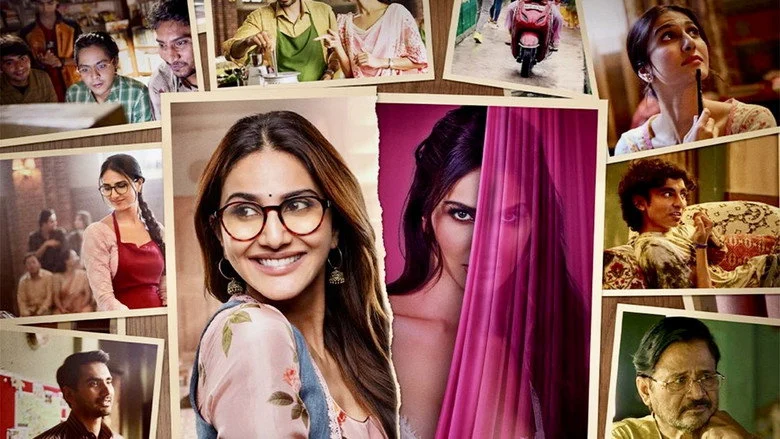


Alia Bhatt and Sharvari walk into a comedy show to promote *Alpha*, and for a few minutes, the studio feels like a Bollywood press meet squeezing into a reality cage. The premiere episode banks entirely on star wattage, and the 45 million YouTube views in four days suggest the risk worked, at least on paper.
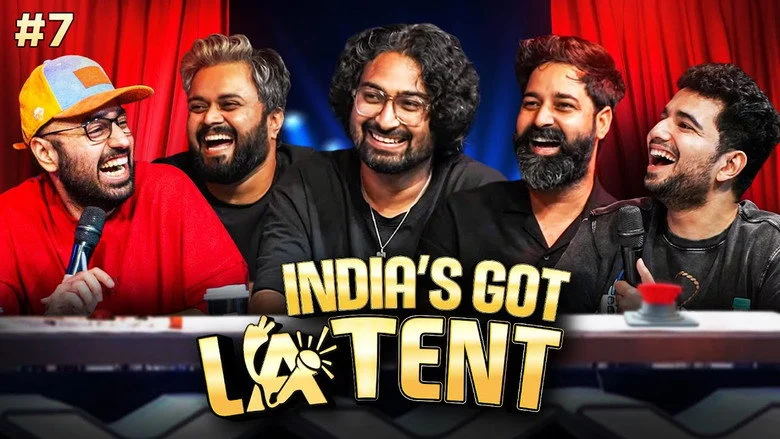
Samay Raina: host, ringmaster, survivor
Samay Raina returns as the anchor, carrying the weight of a show that had its first season erased from the internet after backlash. He does not command scenes with punchlines so much as hold the rhythm steady between chaos and sponsorship. That steadying presence is the only reason the format holds together when guests outshine the contestants.
The emotional register stays flat, Raina works in deadpan, not catharsis, but for a competition built on self-scored roast routines, that may be the right call. I found myself wishing he took sharper jabs at the judges, especially when Alia’s polite laughter felt too rehearsed.
Direction by distribution, not vision
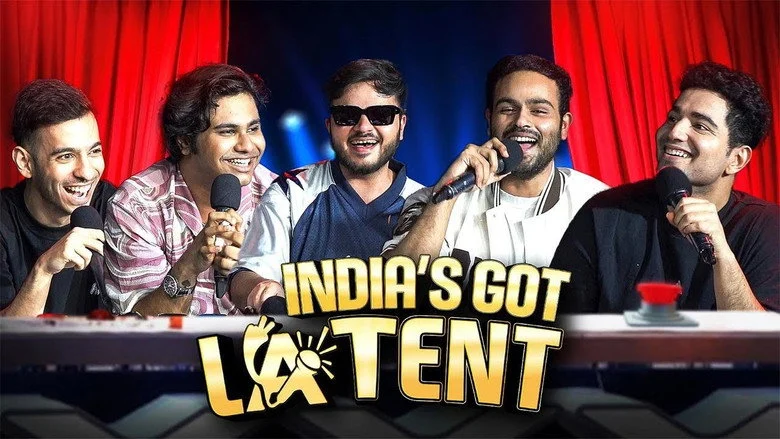
The season’s biggest structural bet is the simultaneous Netflix-YouTube simulcast, a first for an Indian reality show. That distribution gambit overshadows whatever directorial hand exists; no director is credited in available materials, which tells you where the priorities lie.
The weakness surfaces in episode pacing. Without a defined narrative arc, the show lunges from one guest segment to another, relying on celebrity charisma to mask the lack of editorial architecture. The second episode, featuring Harssh Limbachiya, Kiku Sharda, and Chandan Prabhakar, feels like a weekend variety special rather than a competitive reality show.
Genre-core: when the format is the only script
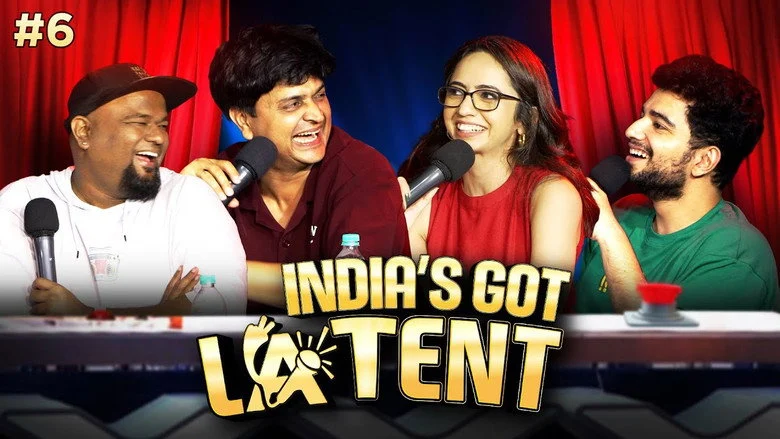
Contestants perform, then predict their own scores, that one gimmick is the entire engine. The show leans hard on the tension between audience applause and the contestant’s self-assessment, which can land as either clever meta-comedy or awkward pity bait. In the premiere, the Alia-Sharvari segment prioritises movie promotion over the core game, temporarily turning the competition into a backdrop.
The variety-format risk means any given episode depends entirely on guest chemistry. Episode 2’s trio of comedians is more attuned to the show’s rough tone, producing a few moments where the self-scoring actually stings. But without sustained contestant investment across episodes, the format feels like a series of one-night stands.
The 2.2 million Netflix Global Top 10 non-English views within days of release suggest the platform bet worked. But those numbers come from curiosity, not loyalty, whether Season 3 can hold an audience that wasn’t built on competitive stakes remains the real question.
If you enjoy dissecting how reality experiments succeed or crash, browse more Hindi Comedy reviews that treat formats as living arguments.
Guest judges: stars propping up a skeleton
Alia Bhatt and Sharvari bring mainstream heat, but their presence is transactional, they arrive, smile, judge, and leave without imprinting on the show’s identity. The pairing is clearly a promotional cross-over for *Alpha*, and the editing treats them more like props than panelists. Sharvari, in particular, has nothing to do except react genially.
Episode 2 fares better: Kiku Sharda brings the *Comedy Nights* timing, Chandan Prabhakar the character-work instinct, and Harssh Limbachiya the roast-circuit agility. They understand the self-score tension and nudge contestants toward better material. Their casting signals that the show’s sweet spot is comic professionals, not Bollywood tourists.
The controversy that never left
Season 2 exists only because Season 1’s backlash forced a complete episode wipe. The hiatus hangs over every moment, will a joke go too far? Will another tweet trigger deletion? That awareness gives the show a nervous energy, but also limits its ambition. The jokes stay toothless, the guests remain carefully curated, and the self-scoring feels like a shield against accountability rather than a game mechanic.
The audience numbers prove curiosity is high, but whether that translates into sustainable fandom depends on whether the show dares to offend again. Right now, it’s playing safe and calling it strategy.
A season that gambled on a dual-platform return yet still plays it safe. India’s Got Latent Season 2 is a watch for completionists of Samay Raina’s journey and for anyone who wants to see how Bollywood stages a comedy show without ever fully trusting comedians. Stream it on Netflix or YouTube, but skip if you expect structured competition or genuine risk-taking. I’d give it a measured 2.5 out of 5, a comeback that proves survival is not the same as excellence.
For a more focused performance register, revisit the restrained political manoeuvring of Jana Neta review.
And for comedy where the format actually elevates the cast, see how Uttar Da verdict handles its thin premise.
Ankit Jaiswal is the Chief Author, covering Indian cinema and OTT releases with honest, no-filler criticism. An SEO strategist by background, he brings a research-driven approach to film writing, cutting through hype to tell you exactly what's worth your time.