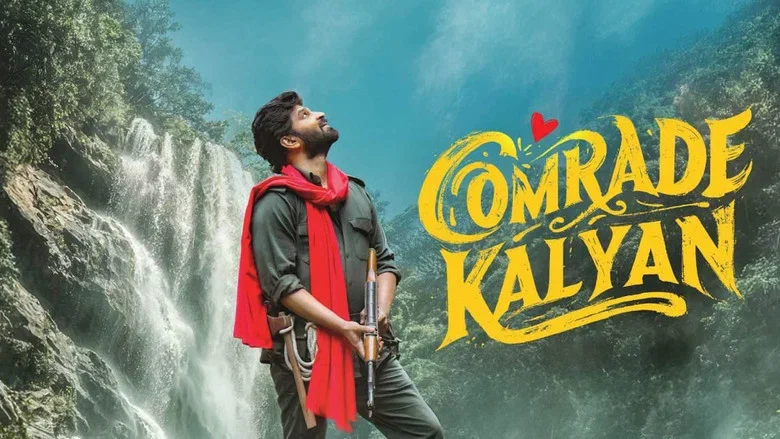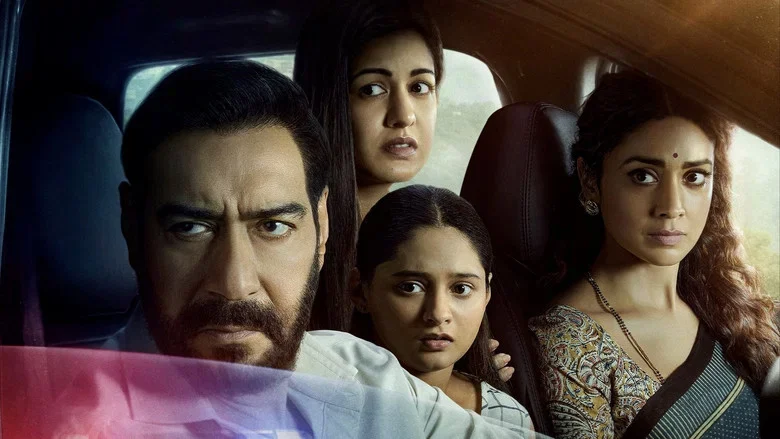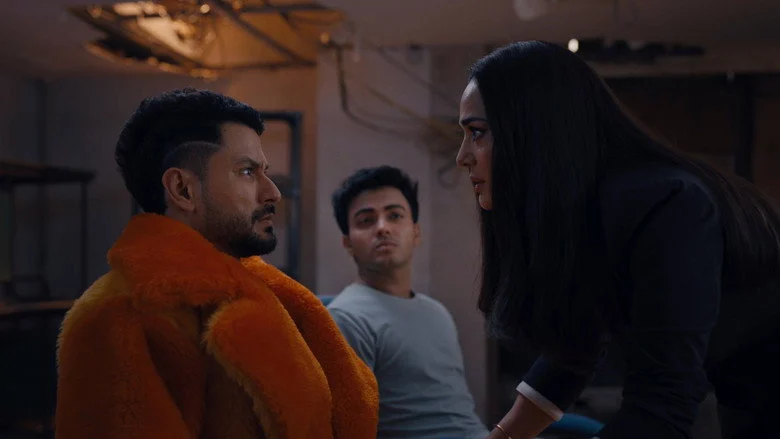


A farm lies barren. A mother coughs into her sari. The next shot is a boardroom where a man in a suit speaks about “acceptable risk.” Chetan DK’s The India Story opens its case against corporate malfeasance with a visual argument that is clear, angry, and necessary. But a necessary cause is not automatically a necessary film.
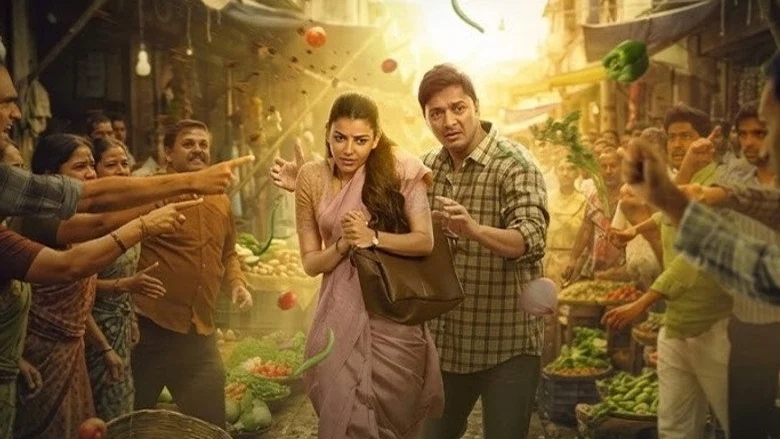
Kajal Aggarwal: The moral compass without a map
Kajal Aggarwal carries the film’s ethical weight on her shoulders. She plays a woman caught between bureaucratic indifference and industrial greed, and she brings a restrained fury to the role that deserves a sharper screenplay.
Her best moment comes in a silent court deposition sequence where she says nothing but her eyes track the defense lawyer’s every lie. It is a performance of controlled rage. What she lacks is a character arc that moves beyond righteous victimhood into something messier.
Shreyas Talpade: The cautious everyman
Shreyas Talpade plays the journalist investigating the pesticide scandal with a low-boil anxiety that feels true to the profession. He never grandstands. His strongest scene is a late-night editing room confrontation where he has to choose between publishing a damning report and protecting a source.
The casting of Talpade signals an intent toward grounded realism rather than heroic posturing. He is effective in isolation, but the film rarely gives him and Aggarwal a shared dramatic space where their energies collide.
Direction and screenplay: One sharp turn, one flat road
Chetan DK directs with a documentary-like eye for the textures of bureaucratic hallways and pesticide-stained fields. The handheld camera work in the first half feels urgent and unvarnished. It is the right craft choice for a crime drama that wants to expose, not entertain.
The flaw is the screenplay’s refusal to trust its own intelligence. Every political point is restated twice, and a key mid-film scene between a regulator and a lobbyist, which should crackle with subtext, is instead explained to death by dialogue. I found myself wishing the film let its images do the arguing.
Corporate crime as drama: Right target, blunt instrument
The genre-core of The India Story is the issue-based crime drama, a form Indian cinema has used to powerful effect in films like Court and Shahid. The film’s central conflict, a pesticide company poisoning groundwater and a community fighting back, is ripped from real headlines. It matters.
But the film struggles to dramatize systems rather than villains. The corporation is a faceless logo, and the mounting evidence montages lack a single human antagonist to focus the tension. The courtroom sequences are competent but procedural, missing the theatrical punch that turns legal detail into visceral cinema.
A scene set in a village panchayat comes closest to what the film could have been: overlapping voices, a compromised leader, and a single mother refusing to sign a waiver. For three minutes, the craft and the cause align perfectly.
What was meant for the screen, and who it serves
For fans of issue-driven drama, The India Story offers a rare Hindi-language treatment of a public-health crisis. Viewers looking for an evening of light entertainment should look elsewhere. The film is designed as a conversation starter, not a crowd-pleaser.
If this kind of socially committed storytelling interests you, browse our Hindi Thriller reviews for more on the intersection of craft and conscience.
The controversy that never came, the tension that did
No major political or censorship controversy has surrounded the film’s release, which is itself a curious silence given how directly the narrative targets chemical-industry lobbying. The absence of public backlash may suggest the film stayed too safe within its own boundaries.
The audience reception angle is still forming, but early signals point to a divided response: respect for the subject, frustration with the execution. The film lands with conviction but lacks the structural daring of the best issue-based cinema.
The India Story is a film worth seeing for its intent and its lead performances, but it is best watched at home where you can pause, reflect, and argue back at the screen. The kind of film you want to discuss, even when you wish it had been sharper.
This issue-based drama shares its director’s moral seriousness with Tera Yaar review.
Chetan DK’s film carries the same social-conscience register found in Vijay’s Jana Nayagan verdict.
Ankit Jaiswal is the Chief Author, covering Indian cinema and OTT releases with honest, no-filler criticism. An SEO strategist by background, he brings a research-driven approach to film writing, cutting through hype to tell you exactly what's worth your time.