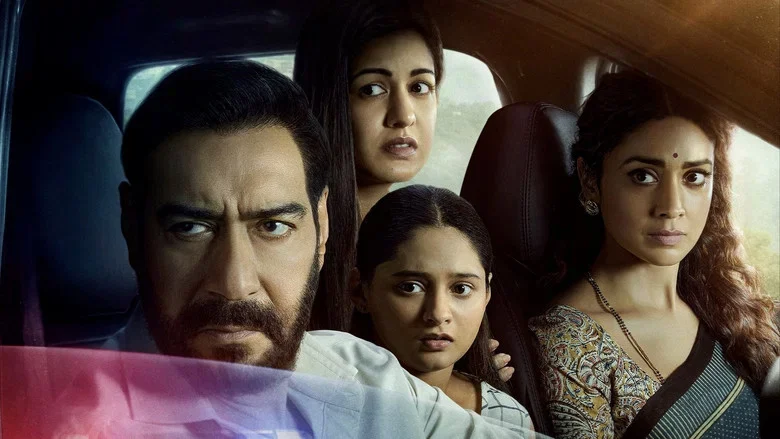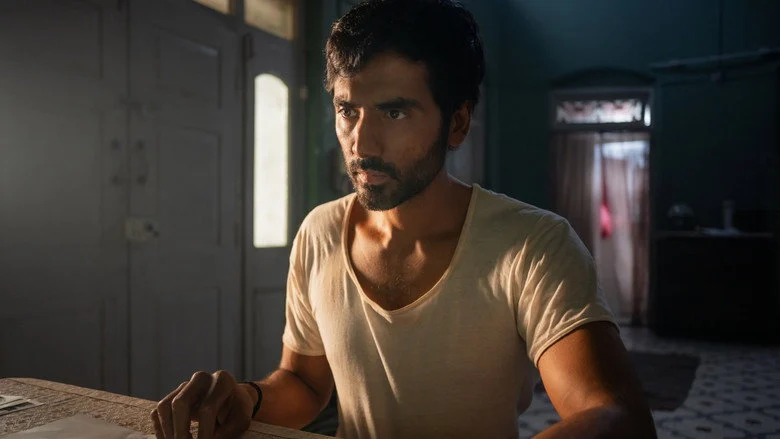


Neha Rajvansh, a public prosecutor born into privilege, stands across the courtroom from Sarika Rawat, a stenographer who has earned every inch of her place, and in that single frame, Ashwiny Iyer Tiwari’s System announces its real subject: not justice, but the access that decides who gets to define it. The two women never raise their voices in the film’s most electric exchanges; they simply let the silence between them say what the script won’t.
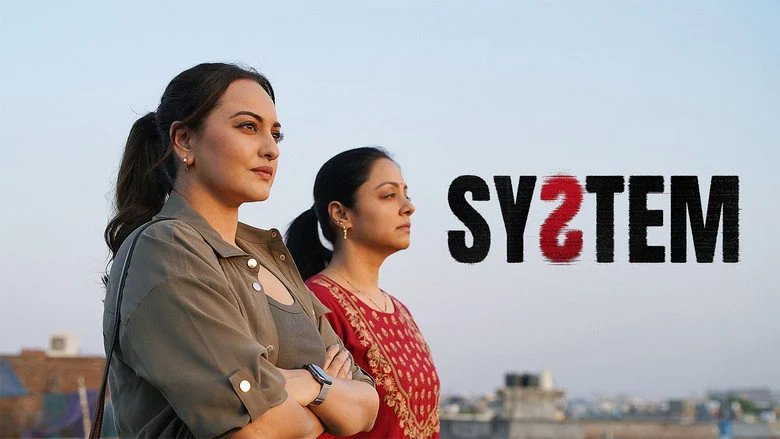
Sonakshi Sinha Carries the Weight of a System That Made Her
Sinha’s Neha is the film’s moral battleground, and the actor understands this. She plays the prosecutor not as a crusader but as a woman slowly realizing that her comfort with the law is itself a form of complicity.
The confrontation with her father lands because Sinha doesn’t reach for melodrama, she lets the hurt sit in her posture, in the way she refuses to look at him. It’s the most honest piece of acting in the film, and it nearly saves the climax from its own predictability.

Direction and Screenplay: A Clear Vision, A Blunt Instrument
Tiwari keeps the film disciplined, using the courtroom as a stage for character rather than spectacle. There’s a genuine intelligence in how she frames the procedural details, the film never pretends the law is neutral.
But the screenplay by Harman Baweja, Akshat Ghildial, and Tasneem Lokhandwala lets her down in the middle stretch. The tension sags, and the plot’s reliance on familiar turns, the hidden transcript, the convenient revelation, drains the thriller element of its oxygen.
The Genre Problem: A Courtroom Drama That Forgets to Argue
System is built on legal dialogue and procedural friction, not action or chase sequences. The film understands that its drama must come from what characters know, conceal, and are forced to reveal, and for the first hour, that works. The exchanges between Sinha and Jyotika crackle with the unspoken weight of class difference.
But the thriller mechanics are undercooked. The withheld information, the transcript that reshapes the ending, arrives with a thud rather than a revelation, because the film has already signaled its destination. There’s no real suspense in watching a train you know is heading off the rails.
The courtroom scenes themselves suffer from a curious lack of energy. Tiwari frames them cleanly, but the rhythm is flat; objections land without force, and the procedural stakes never quite translate into visceral tension. The drama is sustained by performance, not by the machinery of the genre.
Jyotika and the Supporting Cast: The Counterpoint That Holds
Jyotika’s Sarika is the film’s moral spine, and the actor brings a quiet steel to every scene. Her presence is the reason the courtroom exchanges work, she gives Sinha someone real to push against, and their dynamic becomes the film’s best argument for its own existence.
Ashutosh Gowariker, as the father, plays the family patriarch with a controlled menace that makes the emotional climax land harder than the legal one. Vijayant Kohli’s Vikram Bajral and the rest of the supporting cast, Adinath Kothare, Sayandeep Sengupta, Prashanth Singh, fill out the procedural world competently, even if the script gives them little beyond function.
What the supporting cast signals is a film interested in the system as a collective, not a single villain. The real antagonist isn’t any one person, it’s the institution itself, and the casting choices reinforce that theme throughout.
The Verdict: A Split Decision Worth Hearing
The Hindu called it “a split verdict, ” and that’s precisely right. The Tribune noted that “logic overruled, drama sustained, ” which captures the film’s essential imbalance, the performances carry a script that can’t quite support them.
Movie Reporter’s average rating of 2.5/5 feels fair, though I’d argue the film’s strengths are concentrated enough in the Sinha-Jyotika scenes to justify a slightly warmer assessment. The predictable progression and uneven pacing are real flaws, but they’re flaws in service of a story that genuinely wants to say something about power and access.
For fans of courtroom dramas and social-issue narratives, and especially for anyone who’s followed Sonakshi Sinha’s evolution as a performer, System is worth a watch, on OTT, where its modest scale suits the format. For those expecting a taut thriller with real suspense, this will disappoint.
System is a film that believes in its leads more than its plot, and that belief is almost enough, but almost isn’t a verdict. It’s a referral. Hindi Thriller reviews on the site have covered sharper courtroom confrontations, but few with performances this committed.
If you’re drawn to the social-legal framing, Gudgudi review shares a similar interest in what characters conceal behind public faces.
System gets a 2.5/5 from me, a watch for the performances, a skip for the plot, and a film that proves even a predictable courtroom drama can hold attention when two actors decide to fight for it. Character s verdict explores similar territory of fractured identities within institutional pressure.
Ankit Jaiswal is the Chief Author, covering Indian cinema and OTT releases with honest, no-filler criticism. An SEO strategist by background, he brings a research-driven approach to film writing, cutting through hype to tell you exactly what's worth your time.