

Bani, a blind mother, moves through her darkened world with frantic hands and a steadying breath, mapping the space where her daughter no longer exists. The premise, a visually impaired woman turning her grief into a weapon to find a kidnapped child, is the kind of high-concept hook that sells itself, and Taapsee Pannu sells it hard in the film’s opening passages.
Taapsee Pannu’s Physicality Elevates a Thinly Written Mother
Pannu anchors the film’s emotional core with a performance that leans heavily on physical commitment. Her blindness isn’t just a costume; it’s a language of hesitations, extended fingertips, and a head tilted to catch sounds others miss.
She is most effective when the script lets her be vulnerable rather than heroic. The trailer’s standout sequence, Bani beginning her search in a state of raw, unmoored desperation, shows an actress willing to strip away vanity for the sake of urgency, even if the script around her rarely matches that intensity.
Devashish Makhija’s Direction: Hard-Edged Tone, Soft Suspense
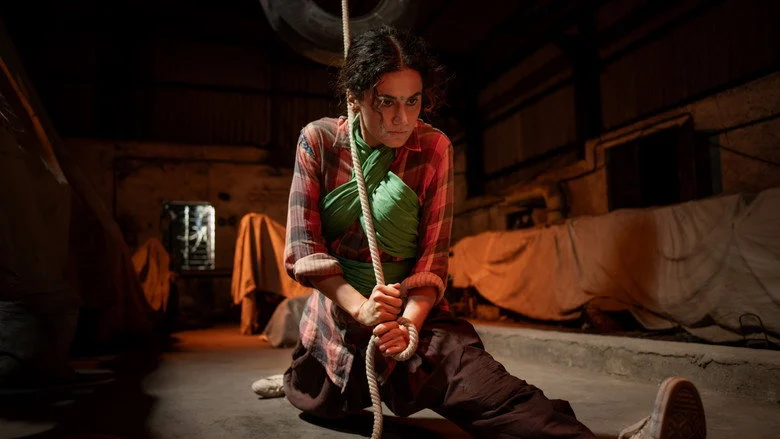
Makhija maintains a gritty, hard-boiled atmosphere that suits the material’s grim subject matter. He knows how to frame Pannu’s isolation, using high-contrast lighting and tight framing to make her blindness feel like a constant, tactile threat.
The flaw lies in the screenplay’s construction. The plot twists and reveal beats in the middle and climax feel familiar and over-constructed, and I found myself wishing the director trusted the simplicity of the mother’s rage more than the machinery of the plot.
The Thriller Mechanics: Pursuit Over Procedure
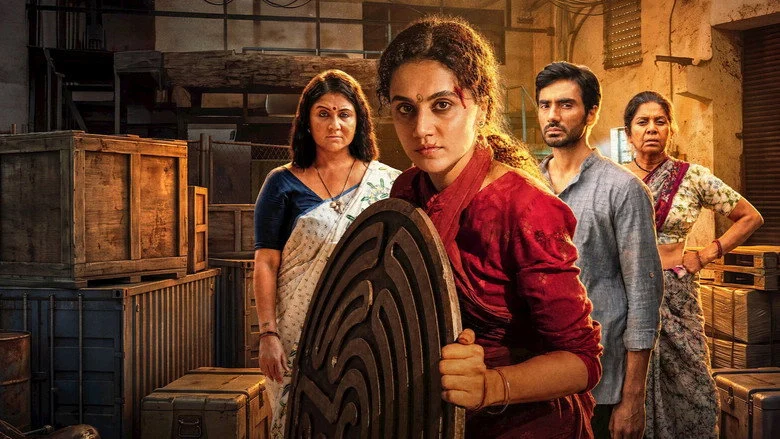
This is an action-thriller that runs on urgency, not cleverness. The tension is derived from Bani’s physical limitations rather than the complexity of the criminal network she faces, which keeps the stakes personal but the world small.
Jatin Sarna’s Kabir handles the procedural side, but his investigation scenes feel like they’re running on a parallel track that rarely intersects with Bani’s visceral journey. The beats are predictable, a confrontation here, a narrow escape there, but they lack the sustained, nail-biting rhythm that the premise demands.
The final act shifts into a direct conflict with the antagonists, resolving the kidnapping case with more noise than nuance. Critics have noted the action lacks freshness, and the film depends so heavily on pursuit that when it stops to explain, the tension evaporates entirely.
For those who appreciate the genre’s grit and emotional stakes, there is more to explore in our Hindi Thriller reviews.
Supporting Cast: Functional Anchors in a Familiar World
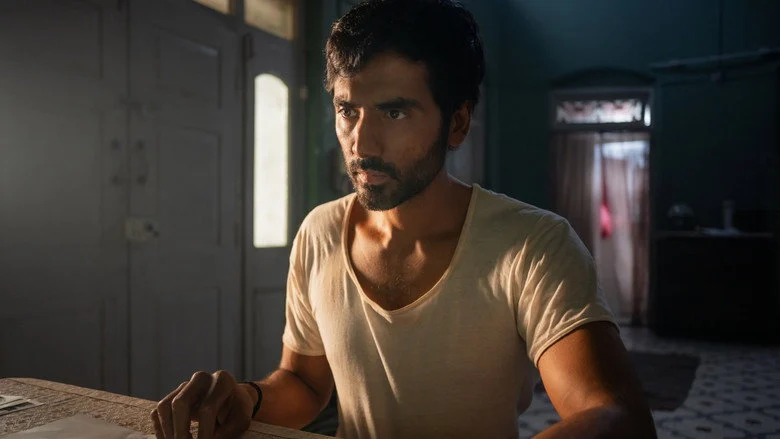
Ishwak Singh’s Gokul, the father of another missing girl, provides a necessary emotional counterpoint to Bani’s isolation. His quiet desperation reminds us that this nightmare has more than one victim, though the script never fully develops his arc beyond a functional mirror.
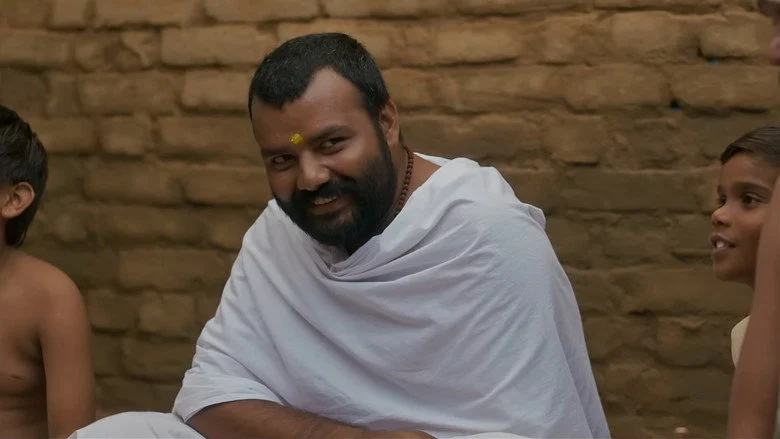
Chhaya Kadam and Swastika Mukherjee add texture to the film’s social landscape, their presence grounding the story in a specific local reality. Mita Vashisht’s Jhunu Amba brings an authoritative weight to the ensemble, while Prashant Narayanan’s Dada functions more as an obstacle than a psychologically realised villain, a threat source that serves the plot without deepening it.
The Verdict: A Decent One-Time Watch With Unmet Potential
This is a Netflix premiere, so theatrical box office figures don’t apply here; the film lives or dies by its streaming engagement. The audience response mirrors the critical split, praise for Pannu’s performance and the emotional hook, complaints about the predictable thriller beats and sagging middle section.
NDTV’s average critic rating sits at a modest 3.0, and the consensus quote, “Gandhari makes for a decent one-time watch”, captures the film’s essential mediocrity. It is not a failure, but it is a film where the premise promises more than the execution delivers.
If you’re a Taapsee Pannu fan or a viewer interested in female-led action-thrillers, this is worth a stream on a slow evening. If you’re seeking a genuinely original suspense structure, look elsewhere. Watch it in the best possible quality on OTT, where the high-contrast visuals and Pannu’s performance can be appreciated without distraction.
Gandhari lands as a competent but unremarkable thriller, earning a 2.5 out of 5 for its strong lead performance trapped inside a screenplay that never quite matches her fire.
For a sharper look at a single-character drama anchored by a powerful performance, see Critique review.
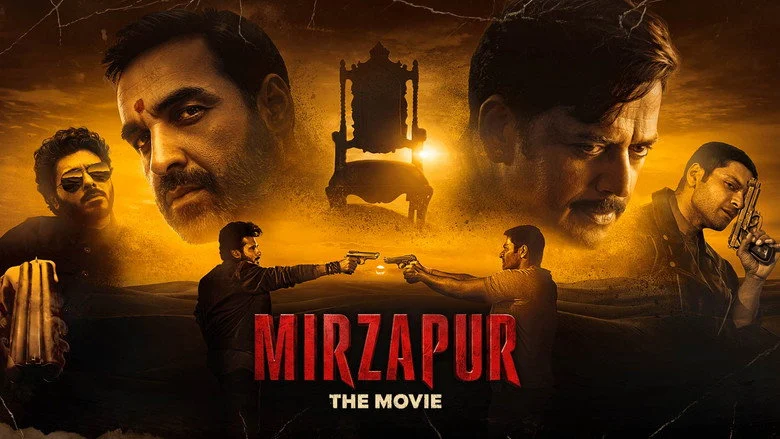
Those who prefer their streaming dramas with a heavier dose of franchise nostalgia might find Mirzapur verdict a more familiar return.
Ankit Jaiswal is the Chief Author, covering Indian cinema and OTT releases with honest, no-filler criticism. An SEO strategist by background, he brings a research-driven approach to film writing, cutting through hype to tell you exactly what's worth your time.