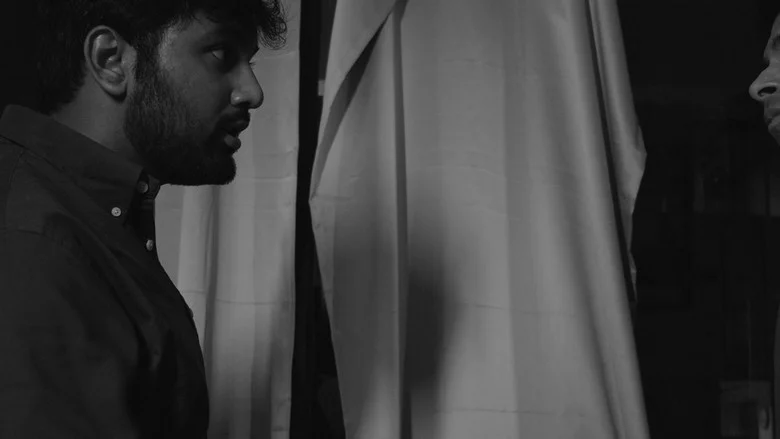


Krishnavataram, Part 1: The Heart (Hridayam) tries to tell Krishna’s story through emotion rather than spectacle. Director Hardik Gajjar focuses on love, devotion, sacrifice, and inner conflict instead of building a war-heavy mythological epic. That decision gives the film a distinct identity, even when the pacing struggles early on.
My rating: 4/5. For viewers looking for a devotional drama with strong emotional stretches and visually rich storytelling, Krishnavataram delivers enough to justify a theatrical watch. But audiences expecting a fast-moving Mahabharata-style action film may leave disappointed.
A Different Take on Krishna’s Story
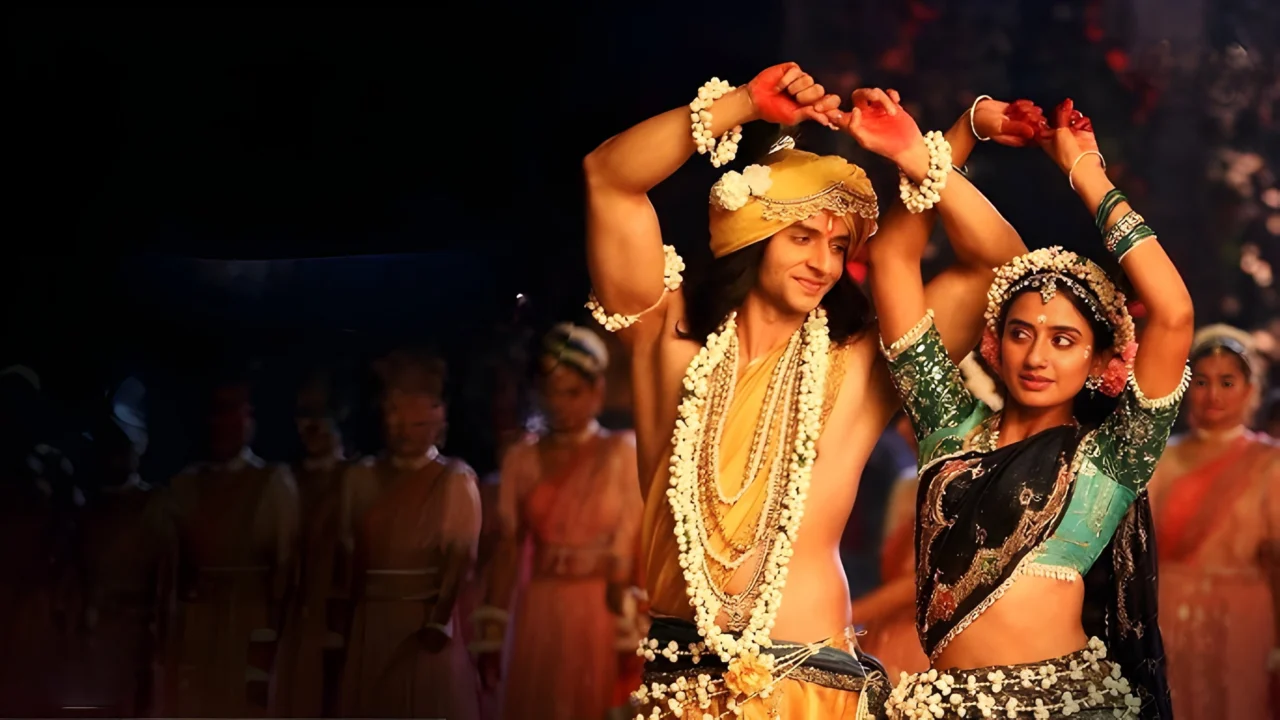
Most modern mythological films lean heavily on battles, larger-than-life heroism, and visual spectacle. Krishnavataram, Part 1: The Heart takes a different route. The film spends more time exploring Krishna’s emotional world, especially his relationships with Radha, Rukmini, and Satyabhama.
The story opens with Krishna’s death before shifting into a modern-day framing device involving a spiritual discourse. From there, the narrative moves into flashbacks covering Krishna’s journey from Vrindavan to Dwarka. The focus remains on personal bonds, emotional pain, and duty rather than mythology-as-action cinema.
That approach works best in the second half, where the emotional stakes become clearer and Bhama’s arc finally gains momentum. The first half, however, often feels stretched because the film keeps moving between episodes without strong transitions.

Siddharth Gupta Settles Into the Role Gradually
Siddharth Gupta’s portrayal of Krishna starts cautiously but improves steadily. In the opening portions, he occasionally feels too polished and restrained. Once the emotional conflicts deepen, though, his calm screen presence begins to fit the character well.
His quieter scenes work better than the dramatic ones. The film succeeds when Krishna is shown carrying emotional burdens instead of simply appearing divine.
Among the supporting cast, Sanskruti Jayana leaves the strongest impact as Bhama. Her jealousy, heartbreak, and eventual transformation give the film some of its best emotional moments. Sushmitha Bhat as Radha and Nivaashiyni Krishnan as Rukmini also bring sincerity to their roles without overplaying the devotional tone.
Jackie Shroff’s modern-day swami role is limited but effective enough to connect the past and present timelines.
Visuals and Music Keep the Film Engaging
One of the strongest aspects of Krishnavataram is its visual presentation. Cinematographer Ayananka Bose creates frames that often resemble devotional paintings. The warm color palette, elaborate costumes, and temple-inspired production design help the film stand apart from low-budget mythological dramas.
Even when the storytelling slows down, the visual atmosphere keeps scenes watchable.
The music also supports the emotional tone well. Songs like “Prem Ki Leela” and “Krishna Govinda” fit naturally within the devotional setting. The background score strengthens several emotional scenes in the second half.
At the same time, the film includes too many songs. Some sequences interrupt the narrative flow instead of enhancing it. A tighter edit could easily have reduced the runtime without damaging the emotional core.
Where the Film Loses Grip
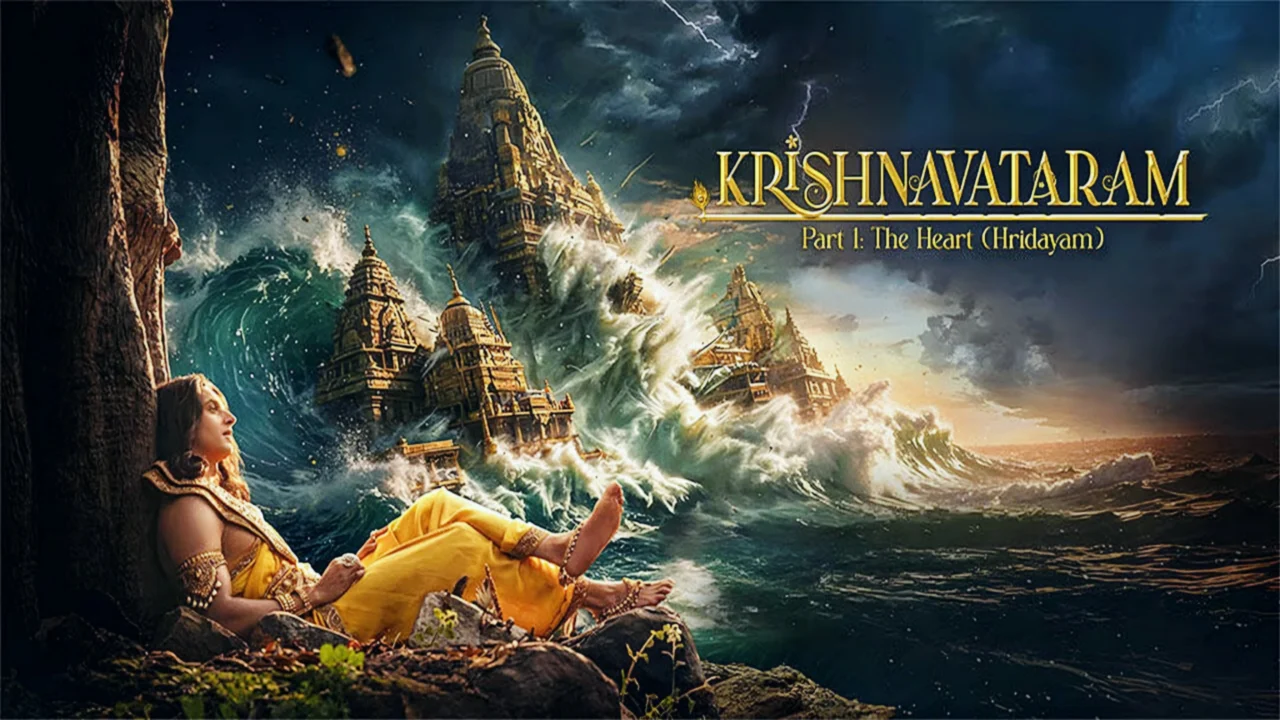
The biggest issue with Krishnavataram, Part 1: The Heart is pacing. The first half takes too long to establish emotional connections, and several scenes feel repetitive.
The screenplay also assumes viewers already know much of Krishna’s mythology. As a result, transitions between major events sometimes feel abrupt. Neutral viewers or younger audiences unfamiliar with these stories may struggle to stay fully invested.
The VFX quality is another mixed area. Certain large-scale sequences look impressive, but others appear unfinished compared to recent big-budget mythological productions.
The film also markets itself with epic scale, yet spends far more time on romance and emotional conflict than on political or war-driven drama. That choice will divide audiences depending on expectations.
Box Office Performance and Audience Response
The early box office numbers are modest considering the film’s scale and reported budget. Opening day collections remained below expectations, although positive word of mouth among devotional audiences may help weekend growth.
Audience reactions online have been more positive than the trade numbers suggest. Many viewers praised the emotional second half, devotional atmosphere, and performances of the female leads. Family audiences and Krishna devotees appear to be connecting with the film more strongly than mainstream commercial viewers.
Still, complaints about runtime and slow pacing remain common across social media discussions.
Is Krishnavataram, Part 1: The Heart Worth Watching?
Yes, but with the right expectations.
If you want a devotional drama focused on Krishna’s emotional life, the film offers sincere performances, strong visual design, and several emotionally effective moments. The second half especially delivers enough emotional weight to stay memorable.
However, viewers expecting a fast-paced mythological blockbuster with large-scale battle sequences may find the film uneven and overly long.
Krishnavataram works best as a faith-driven emotional retelling rather than a mainstream commercial epic.
Final Verdict
Krishnavataram, Part 1: The Heart succeeds more as a devotional experience than as a tightly structured film. Hardik Gajjar’s ambitious attempt to humanize Krishna through love, sacrifice, and emotional conflict gives the movie its strongest identity.
The pacing issues, excessive songs, and uneven structure prevent it from becoming a consistently engaging epic. Still, the sincerity of its performances and the emotional strength of the latter half help it leave a genuine impact.
For devotees and family audiences, this is a visually rich and emotionally respectful retelling worth watching once. For general audiences, it remains a mixed but occasionally rewarding mythological drama.
Ankit Jaiswal is the Chief Author, covering Indian cinema and OTT releases with honest, no-filler criticism. An SEO strategist by background, he brings a research-driven approach to film writing, cutting through hype to tell you exactly what's worth your time.