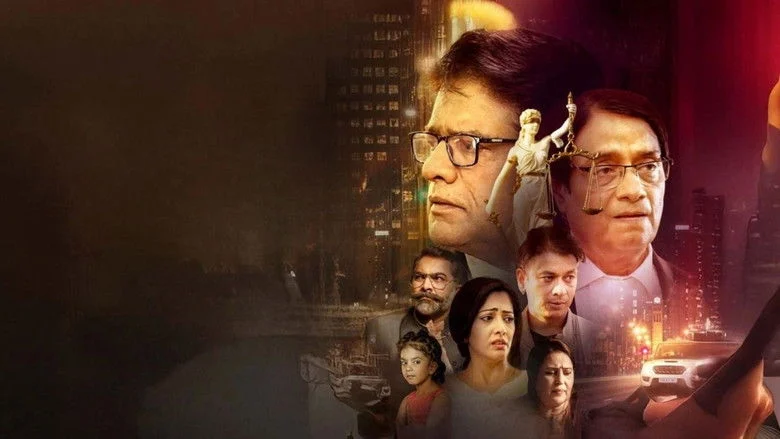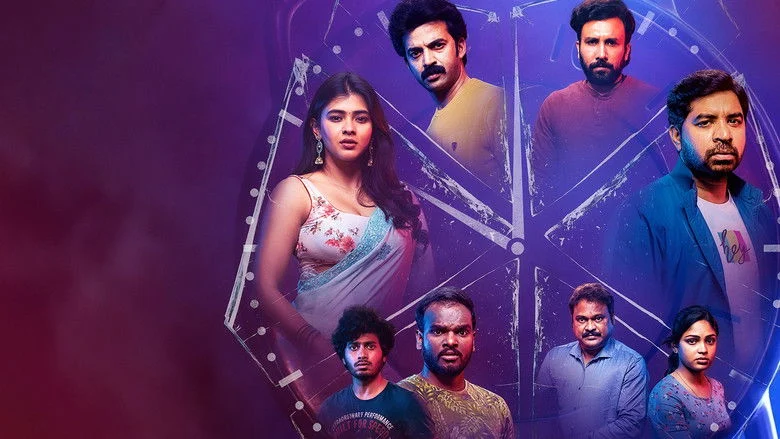

A struggling actor stumbles into a landlord’s orbit and emerges as a swaggering star-politician, riding fan devotion into real power. Within minutes, Umapathy Ramaiah signals his film has teeth, the satire snaps at recognizable machinery: MGR-era grooming tactics, fan clubs bleeding into political fronts, orange and black flags waving where ideology should matter.
Whether that bite sustains depends on how much you can stomach a film that swings at Tamil cinema’s relationship with politics without landing deep cuts. TN 2026 knows its playbook, but rarely extends beyond surface jabs.
Natty Finds New Comic Registers Without Breaking Character
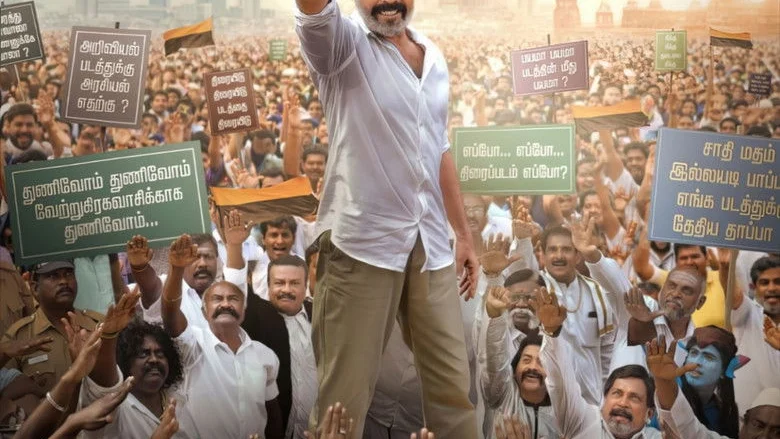
As Gulkand, Natty navigates a deceptively difficult arc: a nobody-turned-somebody whose ambition doesn’t erase his origins. His early accent work lands hard, hilarious precisely because it’s precise, not a caricature but a studied performance of aspiration. As the character swells into a star-politician, Natty tracks that inflation without losing the through-line that connects both versions.
What’s risky here is trusting an audience to follow moral descent wrapped in comedy. Natty doesn’t flinch from that demand.
Political Satire’s Familiar Tropes Rushed, Never Interrogated
Ramaiah’s screenplay traffics in recognizable territory: the actor groomed by power, the fan becoming zealot, the media complicit in spectacle. His direction keeps things moving at a clip, rarely letting scenes linger past their welcome. That pace serves comedy but undermines satire, there’s no space for complexity.
The film references political machinery: fan clubs morphing into voting blocs, newly minted parties with flag design signaling allegiance to regional cinema’s golden age. These touches show awareness, even cleverness. But awareness and interrogation aren’t the same thing.
Where TN 2026 falters is assuming recognition equals critique. Jabs at center and state parties via visual shorthand feel like hits without impact. Political satire demands either surgical precision or wild excess; this film settles for pointing and winking.
Thambi Ramaiah Anchors the Film’s Moral Rot
As Sivalinga Mandradiyar, Thambi Ramaiah embodies the landlord who engineers ascent then watches it spiral beyond his control. His presence frames the entire transaction as a power game where even the powerful lose their grip. The casting choice, using Thambi, the story writer, in this role, suggests a meta-awareness about who scripts narratives and who profits from them.
M.S. Bhaskar, Ilavarasu, and Thalaivasal Vijay populate the margins without registering as distinct characters. Shrrita Rao as Madhavi Devanand and Chandini Tamilarasan as Thailashree occupy female roles that feel primarily functional, anchoring emotional stakes that the film’s satirical momentum doesn’t fully develop.
For Tamil political satire reviews, this film’s structural bones reveal both ambition and hesitation.
Satire Turned Blunt Instrument, Losing Specificity to Speed
The central conflict, a landlord losing control of his creation, carries real stakes. But the film treats this premise as setup for comic riffs rather than genuine exploration. Political satire without specificity becomes just another cynical comedy, and that’s where TN 2026 lands most often.
Ramaiah’s direction, which keeps momentum high, works against the genre’s requirements. Satire needs time to breathe, to expose contradiction. When scenes dissolve before implication lands, the critique evaporates into air.
Watch this for Natty’s performance and the film’s willingness to wade into political cinema without apology. The risk is there, the execution doesn’t always match the ambition. Theatrical presentation suits the broad comedy beats, though the satire might cut sharper on a smaller screen where details don’t get lost in spectacle.
TN 2026 swings at an easy target but with enough style and comic intelligence to make the landing entertaining rather than essential, a 3 out of 5 that knows what it wants but doesn’t push hard enough to achieve it.
Umapathy Ramaiah’s formal control here echoes his earlier work in Rajakili, where political machinery also becomes backdrop for character study.
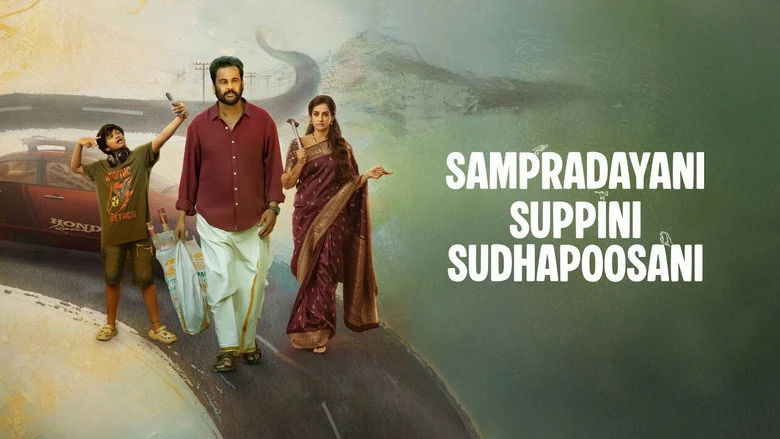
Natty’s transformation across films suggests an actor willing to test registers beyond the expected, much like the lead performance in Sampradayaini Suppini Suddapusaani.
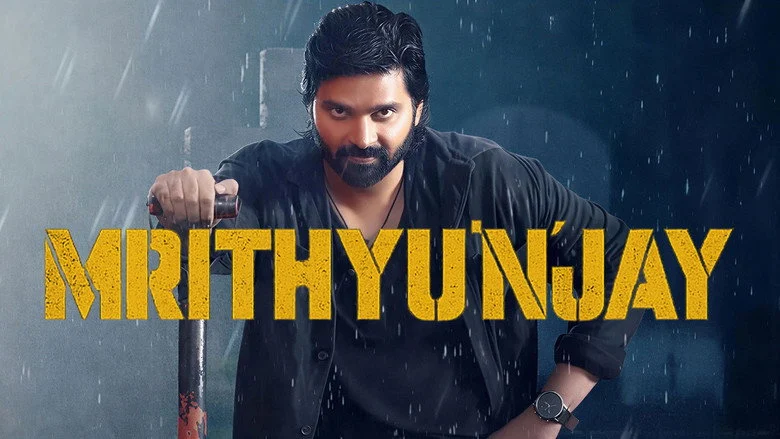
Both TN 2026 and Mrithyunjay share an interest in how power corrupts even those who wield it with comic intent.